
< Schedule
Thursday, March 19, 2026 · 20:00–22:00
EN · DE
War & Military
» HAU Hebbel am Ufer (HAU1) · Berlin
» Tickets
» English with German simultaneous translation
» Streaming (English, free) at disruptionlab.org and HAU4

Speakers · Read more
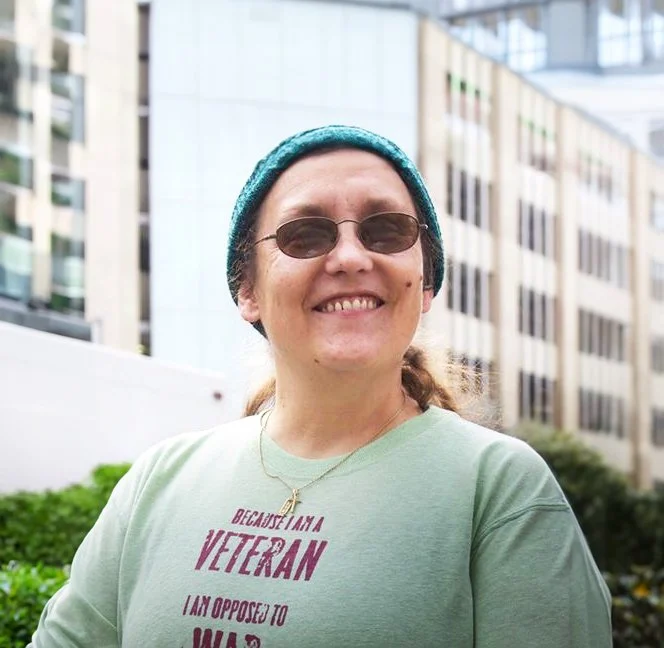
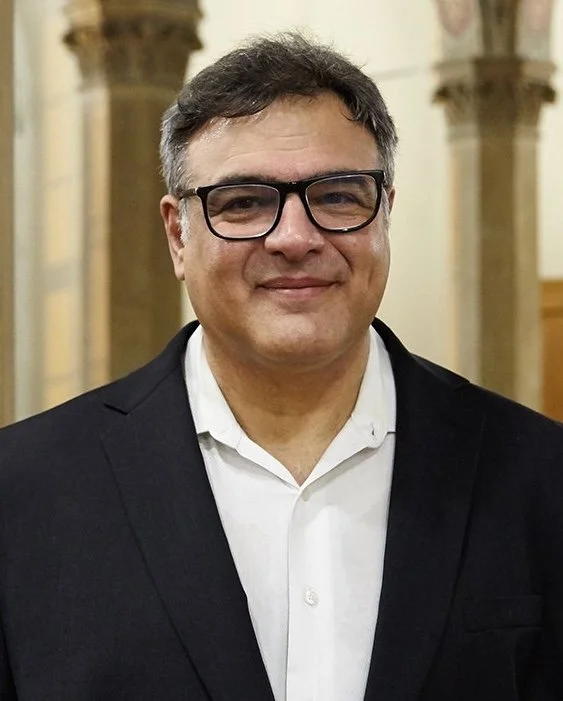
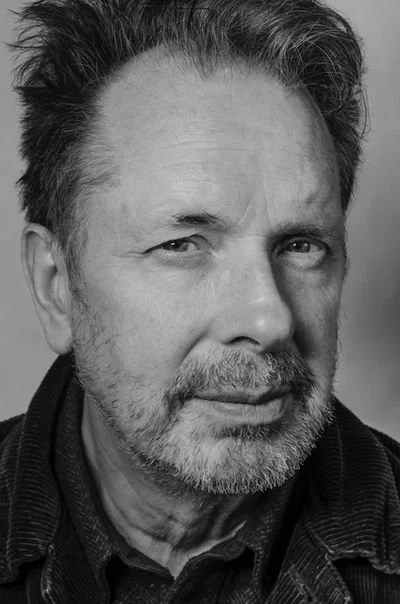
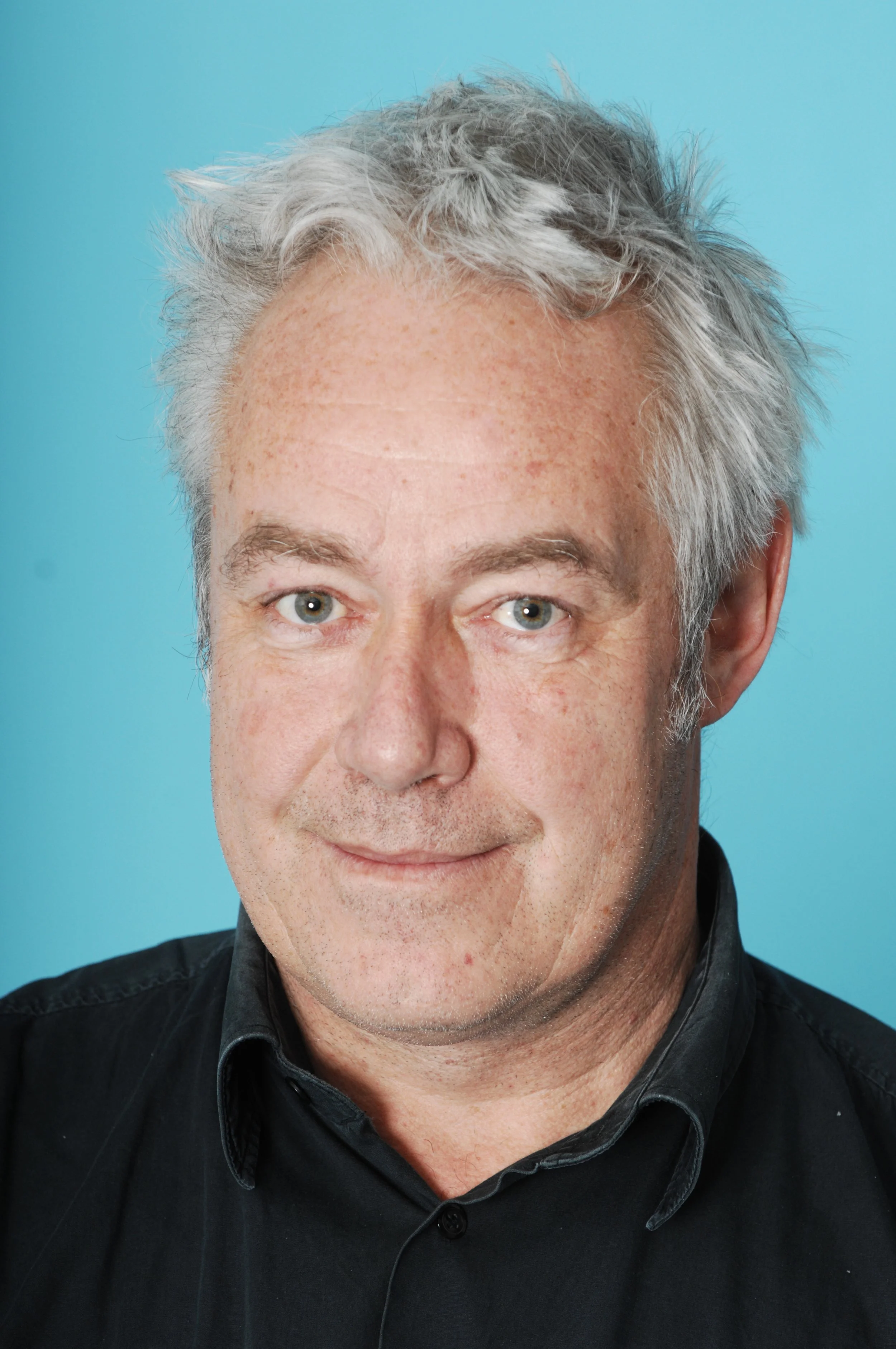
Lisa Ling (Whistleblower, Former Technical Sergeant, US Air Force Drone Surveillance Programme, US), John Kiriakou (Former CIA Counter-Terrorism Officer, Anti-Torture Whistleblower, US), John Goetz (Investigative Journalist, US/DE), Jesselyn Radack (Director, Whistleblower & Source Protection at ExposeFacts, US/FR). Moderation: Michael Sontheimer (Historian and Journalist, DE).
Introduction
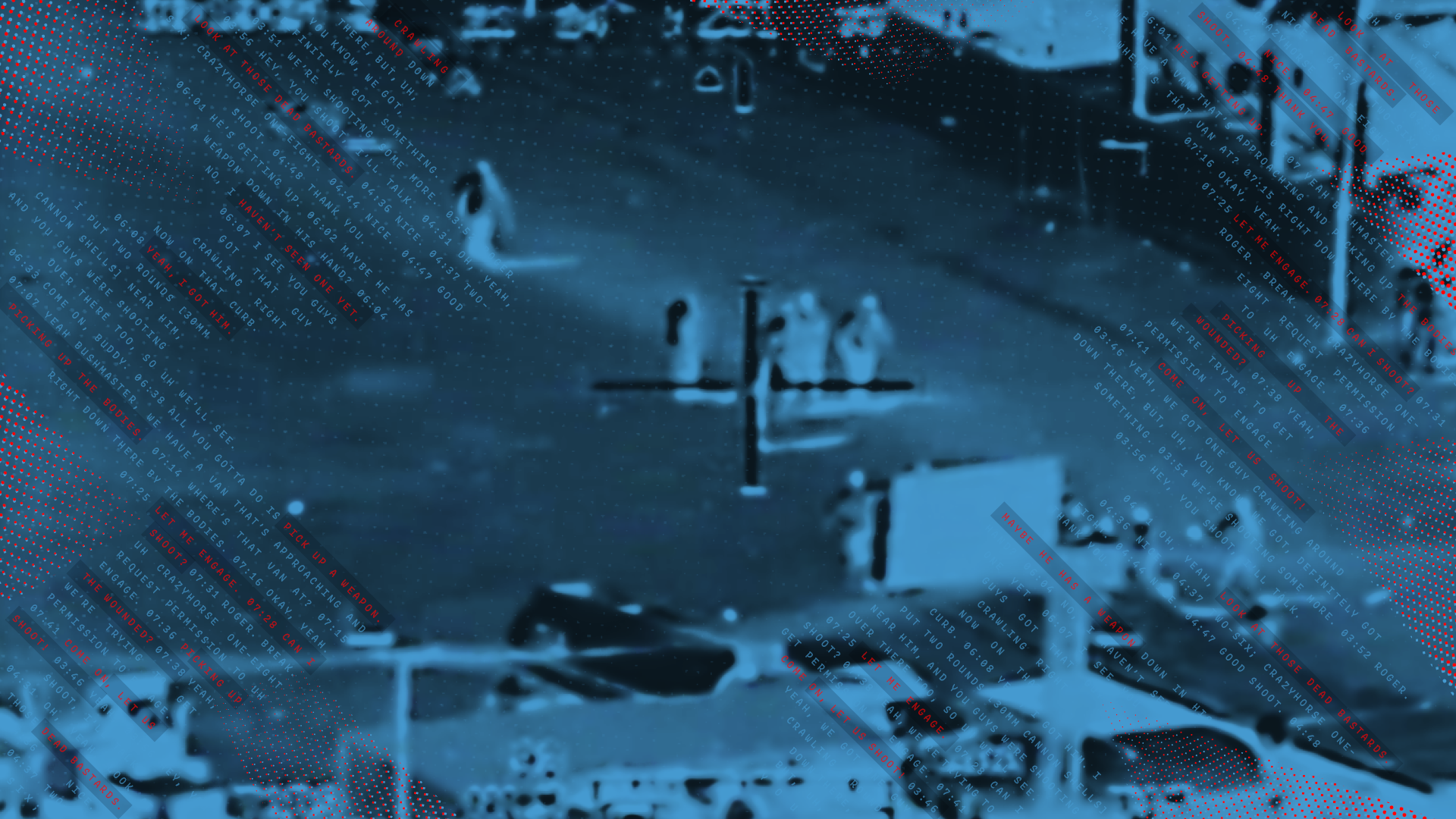
The first documents released by WikiLeaks for the section “War and Military” are dated September 2007, concerning the US Military Equipment in Afghanistan, the Military Dictionary and, in November of the same year, the US Military Equipment in Iraq. At the time, the platform was still operating as a wiki, constituting a very revolutionary innovation in the field of journalism and press freedom. The major leaks for this section are dated 2010, when from April to October WikiLeaks published the “Collateral Murder” video, as well as the “Afghan War Logs” and the “Iraq War Logs”.
The material Chelsea Manning leaked included videos of the July 12, 2007, Baghdad airstrike and the 2009 Granai airstrike in Afghanistan, 251,287 U.S. diplomatic cables and 482,832 Army reports. Prior to releasing the initial 75,000 documents, WikiLeaks made the logs available to “The Guardian”, “The New York Times” and “Der Spiegel”, which published reports throughout 2010. The impact of these leaks was global and shed light on the killing and injuries of civilians by coalition forces in a way that was unprecedent, exposing war crimes and misconducts of military forces, and other sensitive information including the funding of the Taliban. By creating a six-year archive of classified military documents, many media outlets indicated the documents have parallels with the Pentagon Papers, leaked by Daniel Ellsberg in 1971, which were a source of inspiration for the work of Julian Assange.
Later leaks included the Gitmo Files (revealing in 2011 secret files on all Guantánamo prisoners), and the “Detainee Policies”, more than 100 classified or otherwise restricted files from the US DoD covering the rules and procedures for detainees in U.S. military custody and indicating that some prisoners were placed outside the areas which members from the International Committee of the Red Cross were allowed to visit. This was something the military has repeatedly denied.
The speakers of this section include whistleblower Lisa Ling that has witnessed first-hand the consequences of US drone programmes and targeted killings on civilians, having travelled to Afghanistan to see the effects of what she participated in; John Kiriakou, the first US intelligence officer to reveal information about the US intelligence community’s use of torture techniques; John Goetz that collaborating with “Der Spiegel” reported on the Afghan War Diaries, the Iraq War Logs, and the State Department cables, as well as worked on the subject of the CIA torture in Guantánamo; Jesselyn Radack, who has worked on the legal impact of leaking military documents, representing several Air Force whistleblowers including Brandon Bryant, Cian Westmoreland, Heather Linebaugh, Lisa Ling, as well as John Kiriakou, and Thomas Drake.
The conversation is moderated by Michael Sontheimer, a German journalist and historian who has been reporting on the Assange case since 2010 and played a key role at “Der Spiegel” in 2012 for publishing the WikiLeaks documents.
Read more about EXPOSING CRIMES IS NOT A CRIME
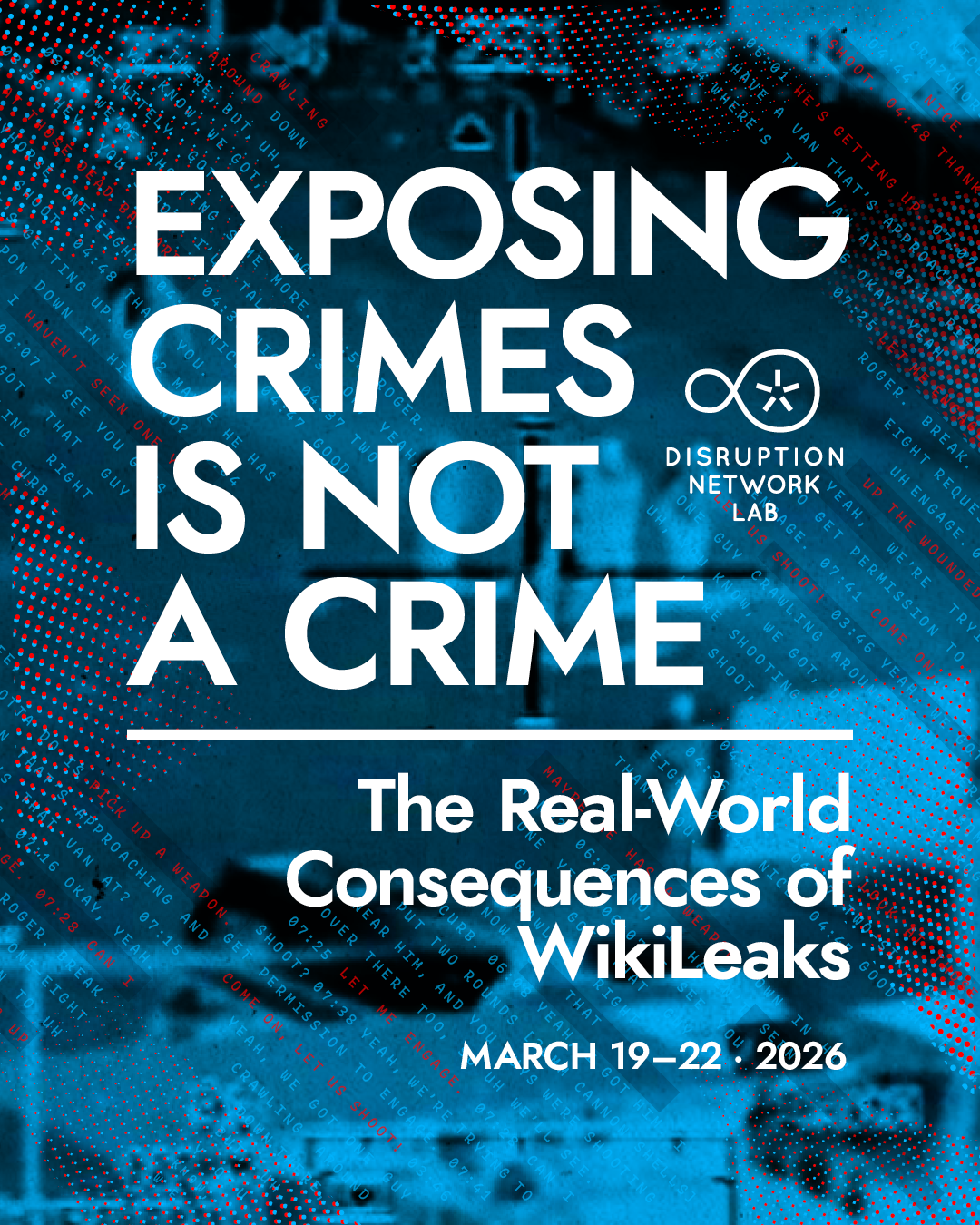
Exposing crimes is not a crime · The Real-World Consequences of WikiLeaks
Programme
Thu March 19 2026
» The Reasons Behind
» War & Military
Fri March 20 2026
» Government & Diplomatic Cables
» Intelligence & Cybersurveillance
Sat March 21 2026
» Global Economy & Corporate Secrets
» Art as Evidence & Resistance
Sun March 22 2026
Activation Day
» Tactics & Actions
» WEKILL//LEAKS
A Symposium by Disruption Network Lab. Funded by Hauptstadtkulturfonds and the Reva & David Logan Foundation. In cooperation with the Wau Holland Foundation and HAU Hebbel am Ufer.