
< Schedule
Saturday, March 21, 2026 · 20:00–22:00
EN · DE
Art as Evidence & Resistance
» Tickets
» HAU Hebbel am Ufer (HAU1) · Berlin
» English with German simultaneous translation
» Streaming (English, free) at disruptionlab.org and HAU4
Speakers · Read more
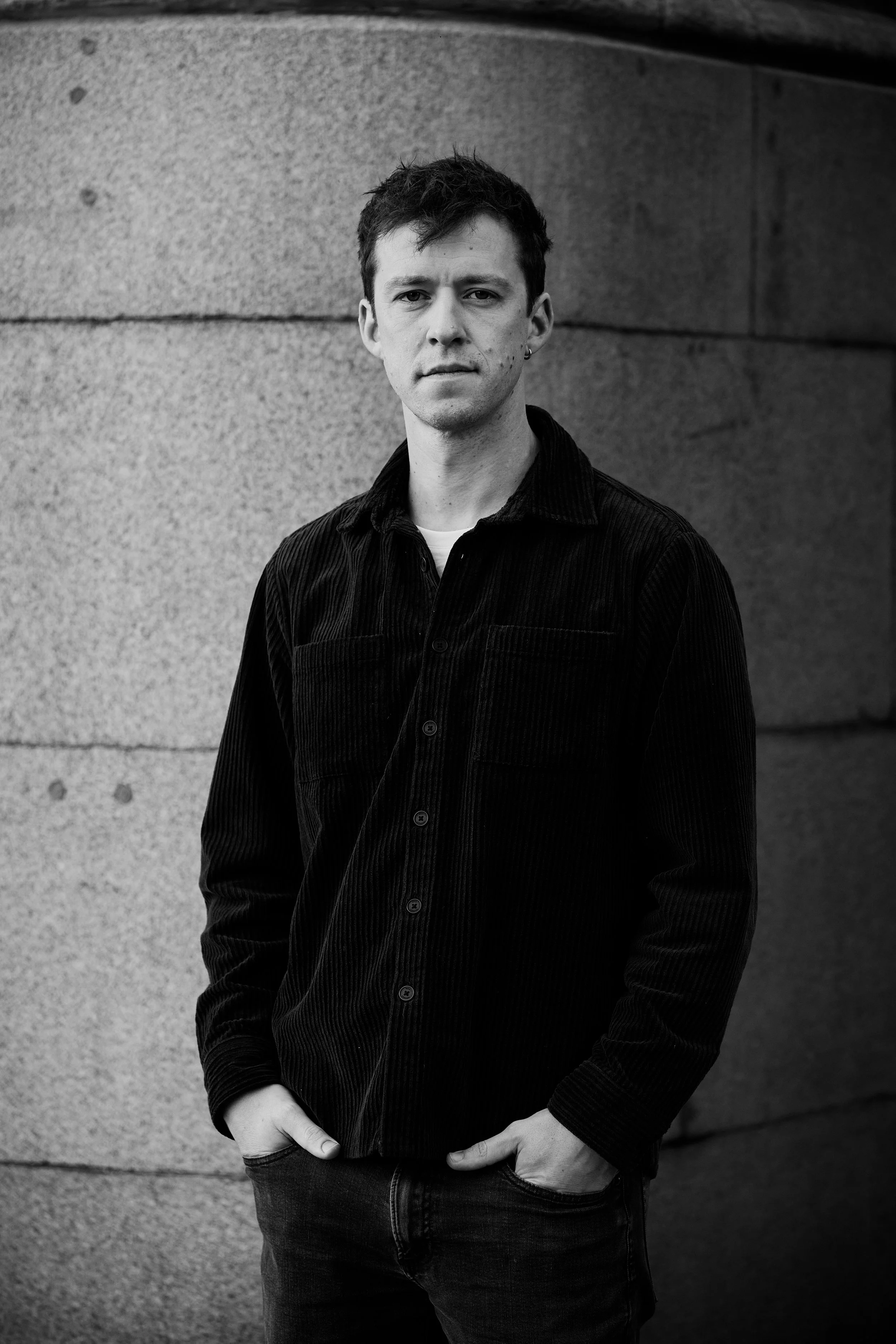
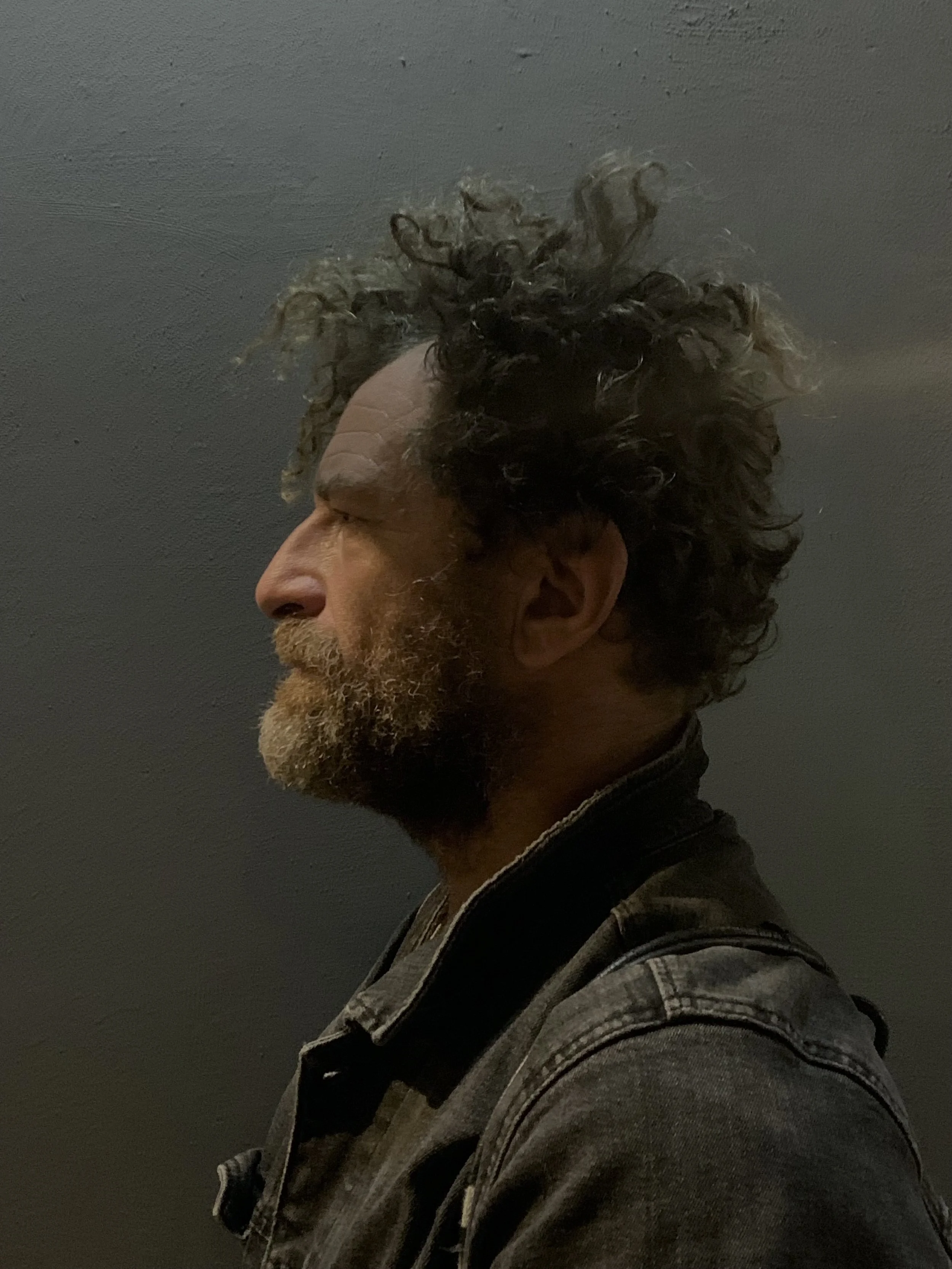
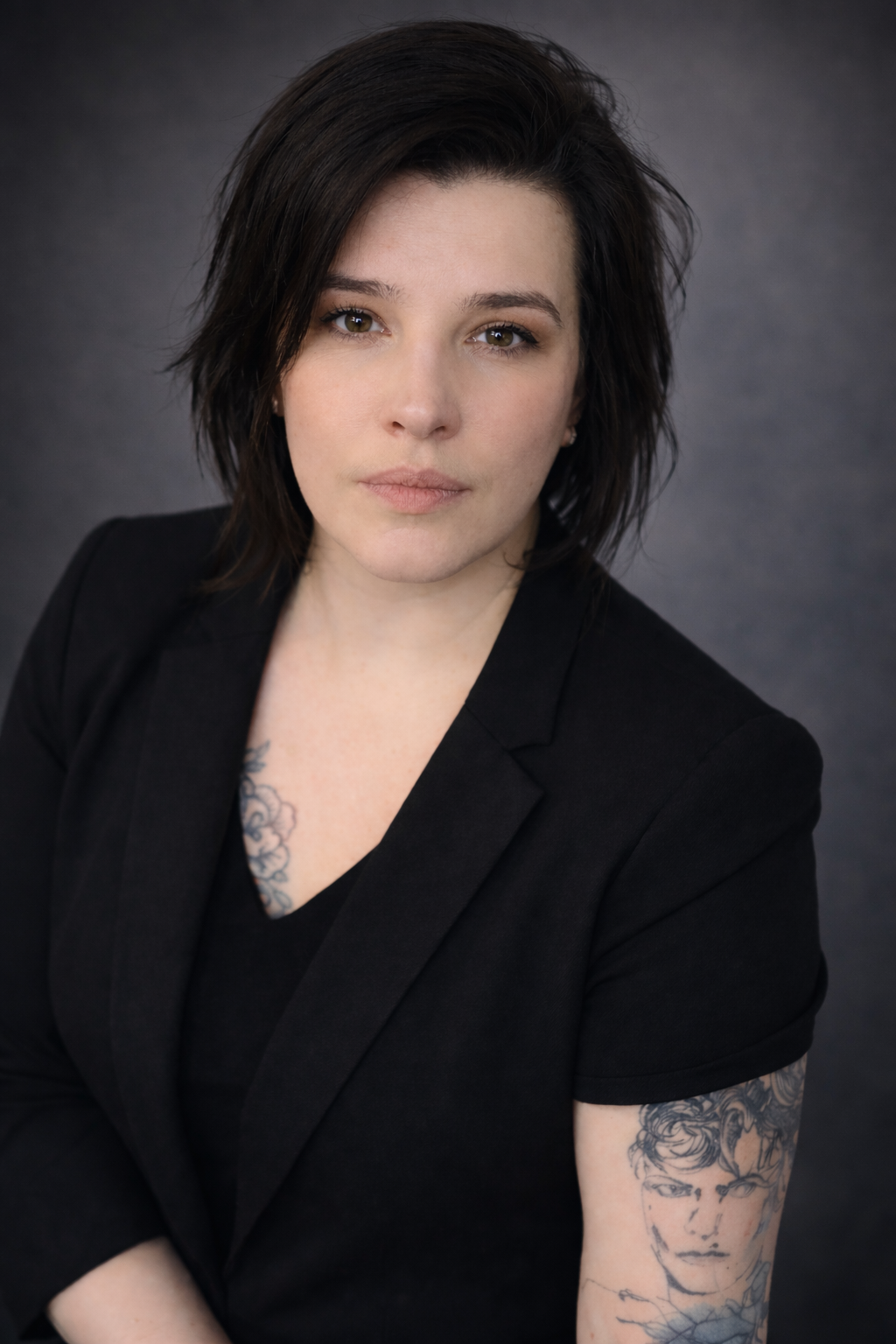
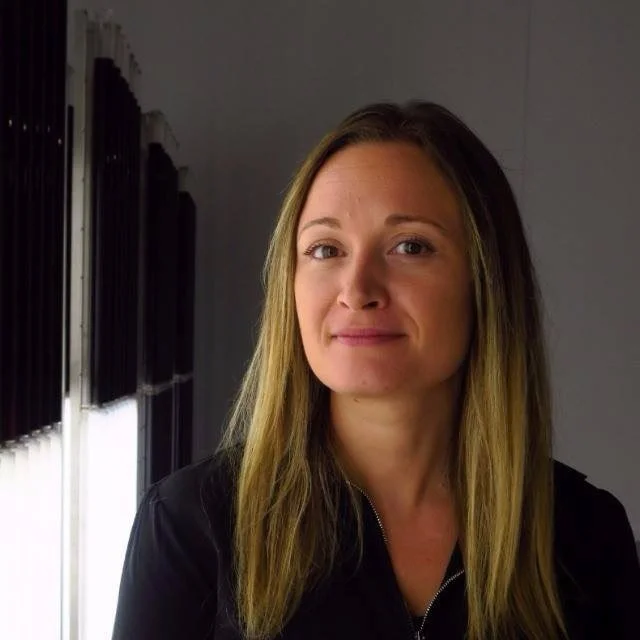
Robert Trafford (Deputy Director, Forensis; Assistant Director, Forensic Architecture, UK/DE), Institute for Dissent and Datalove (Collective of Hackers, Artists, Activists and Tinkerers, DE, FR, US), Davide Dormino (Visual Artist, Activist, IT), Manja McCade (Artist, Co-Founder, Julian Assange Archive e.V., DE). Moderation: Becky Haghpanah-Shirwan (Director, A/POLITICAL, UK).
Introduction
The time frame from 2009 to 2016 was a crucial period of collective experiences towards the formulation of artistic practices in relation to whistleblowing. In this period, close networks of trust were established around this topic, rooted in WikiLeaks’ activities which pushed the boundaries of what is correct to publish, and what could count as art.
In November 2009, WikiLeaks published 570,000 confidential 9/11 pager messages, documenting over 24-hours in real time of the period surrounding the September 11, 2001 attacks in New York and Washington. The archive visible at https://911.wikileaks.org showed US national text pager intercepts of official exchanges at the Pentagon, FBI, FEMA and New York Police Department, and from computers reporting faults at investment banks inside the World Trade Centre. WikiLeaks’ “9/11 tragedy pager intercepts” is rebroadcast in real time on subsequent 9/11s.
The concept of Art as Evidence was inspired by an exchange between Oscar-winning filmmaker and journalist Laura Poitras, artist, researcher and investigative journalist Jacob Appelbaum, artist and geographer Trevor Paglen, and Tatiana Bazzichelli, former curator of the transmediale festival and artistic director of the Disruption Network Lab. It was introduced at the keynote event “Art as Evidence” at the transmediale festival in Berlin in 2014 to explore artistic practices that speak and inform about reality, as well as provoke a response to it.
In the past 10 years the debate over abuses of government and large corporations has reached a broad audience, encouraging reflection on new tactics and strategies of resistance. Whistleblowing, leaking, and disclosing have opened new terrains of struggle.
What is the artistic and activist response to this process? How is it possible to transfer the surveillance and whistleblowing debate into a cultural and artistic framework, to reach and empower both experts and non-experts?
This conversation brings together different artistic and activist practices: socialised methods of producing visual evidence through the use of open-source intelligence tools at Forensis and Forensic Architecture, as discussed by Robert Trafford; the use of critical technology to generate de/re-contextualisation of large datasets, de-formatting formats, and the playful use of liberating algorithms with The Institute for Dissent and Datalove; distributed practices advocating the right to speak out, as done with the travelling sculptures portraying Julian Assange, Chelsea Manning, and Edward Snowden, created by visual artist Davide Dormino; a growing collective collection, The Julian Assange Archive, presented to a large public for the first time by Manja McCade, that preserves the story of Julian Assange and the worldwide movement for press freedom, transparency, and justice, including the many letters Assange received from supporters throughout his years of persecution.
The moderator is Becky Haghpanah-Shirwan, Director of A/POLITICAL, a London-based arts organisation that, in collaboration with the Wau Holland Foundation, organised the exhibition 'States of Violence' in 2023. This exhibition marked the fourth anniversary of Julian Assange's detention in the high-security Belmarsh Prison and featured works by some of the speakers on this panel.
In relation to the concept of art as evidence, and in light of new tactics of resistance, the final panel of the symposium discusses artistic practices and methodologies that counter power oppression, advocate for grassroots interventions, and protect civil rights and social justice.
Read more about EXPOSING CRIMES IS NOT A CRIME
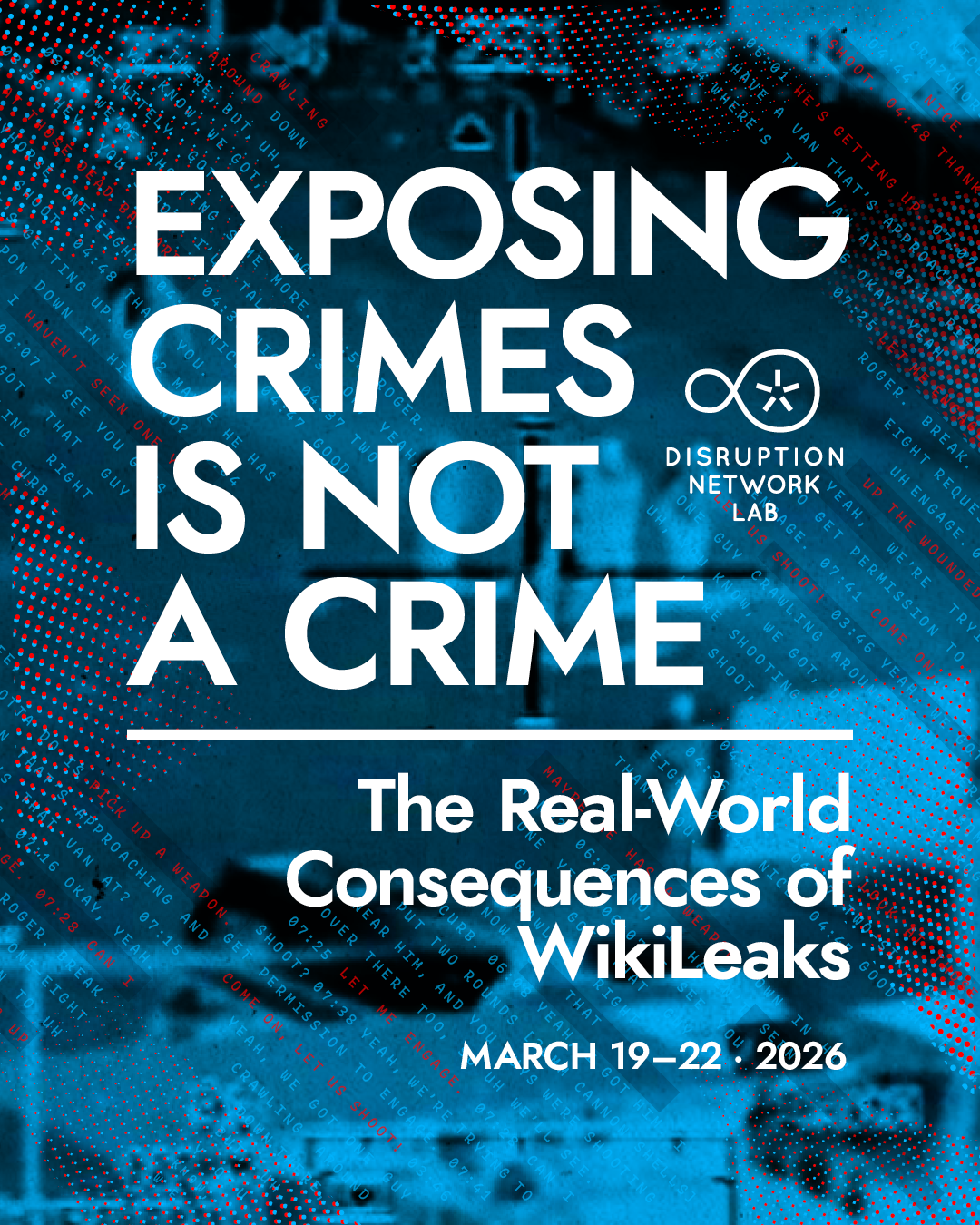
Exposing crimes is not a crime · The Real-World Consequences of WikiLeaks
Programme
Thu March 19 2026
» The Reasons Behind
» War & Military
Fri March 20 2026
» Government & Diplomatic Cables
» Intelligence & Cybersurveillance
Sat March 21 2026
» Global Economy & Corporate Secrets
» Art as Evidence & Resistance
Sun March 22 2026
» Activation Day
A Symposium by Disruption Network Lab. Funded by Hauptstadtkulturfonds and the Reva & David Logan Foundation. In cooperation with the Wau Holland Foundation and HAU Hebbel am Ufer.