
TESTING GROUNDS
The Kill Cloud, AI & Migration Control
#DNL38 · November 27-29 2026
THE 38th CONFERENCE OF THE DISRUPTION NETWORK LAB
Curated by Tatiana Bazzichelli (Director, Disruption Network Lab, IT/DE)
Studio 1, Kunstquartier Bethanien, Marianneplatz 2, 10997 Berlin & Streaming
Workshop at Stadtwerkstatt, Karl-Liebknecht-Straße 11, 10178 Berlin
Streamed for free without registration (Workshops not streamed).

Investigating how technologies of war & surveillance impact us all
Read the reports by Cian Westmoreland, Namir Shabibi & Tiara Roxanne at thekill.cloud
GET YOUR TICKET
Tickets will also be available at the conference venue on 27-28 november, but we recommend that you purchase them online in advance to guarantee your seat.
Schedule · Streaming · Introduction · Full Programme · Workshops · Speakers · Tickets
Streaming
The Friday and Saturday programme will be streamed here and on our YouTube Channel – no registration needed. The sunday workshops are not streamed.
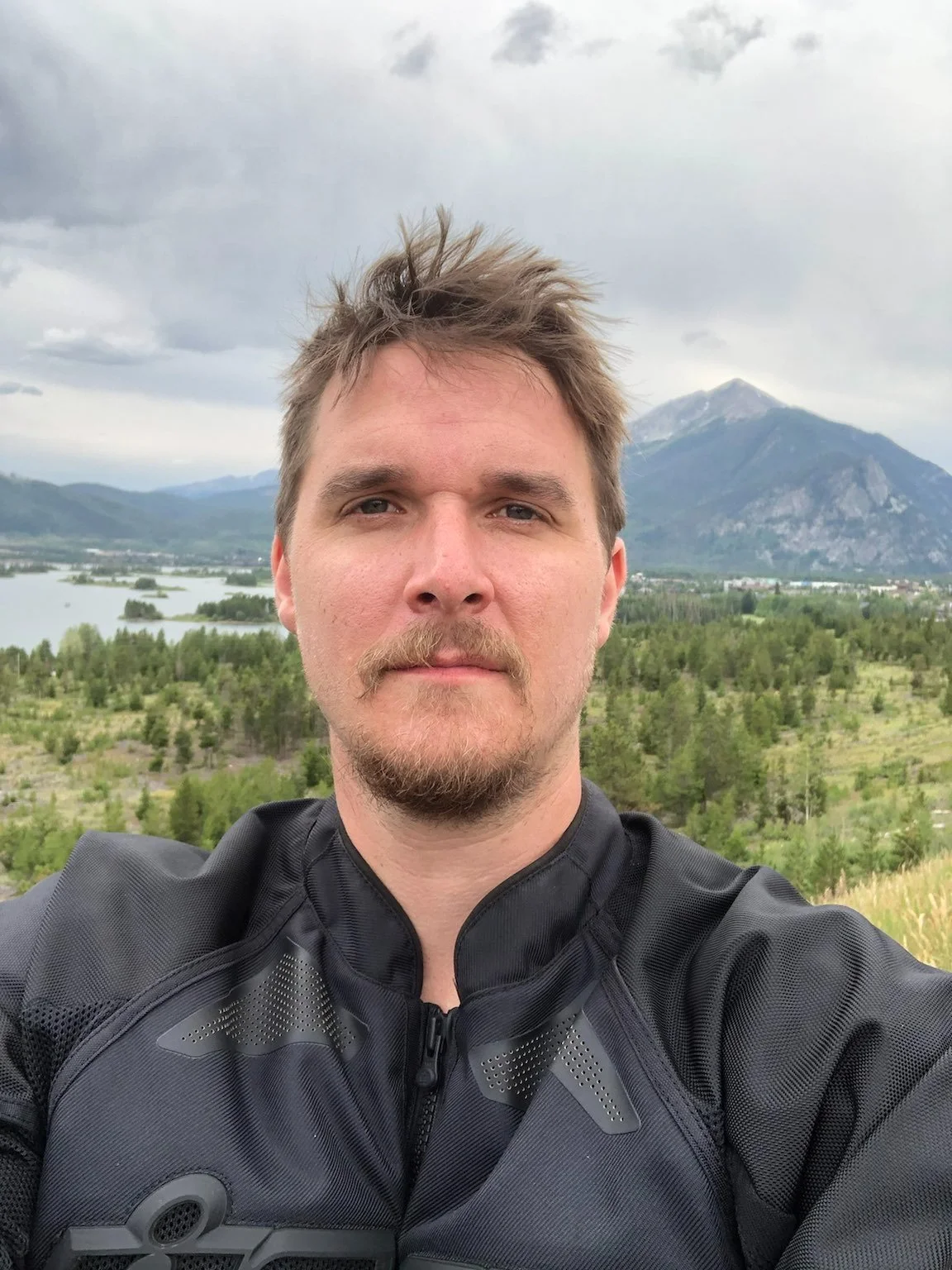
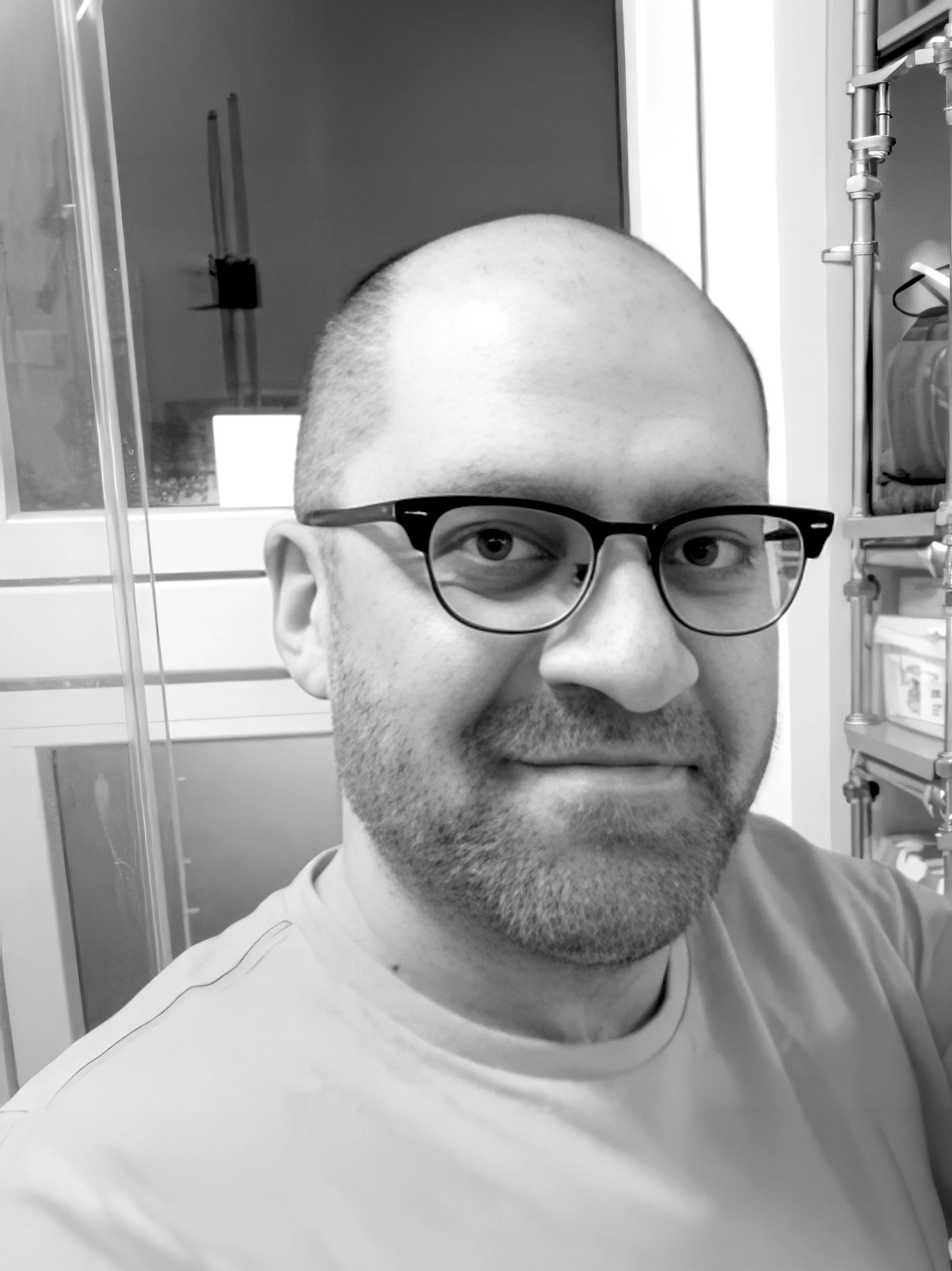
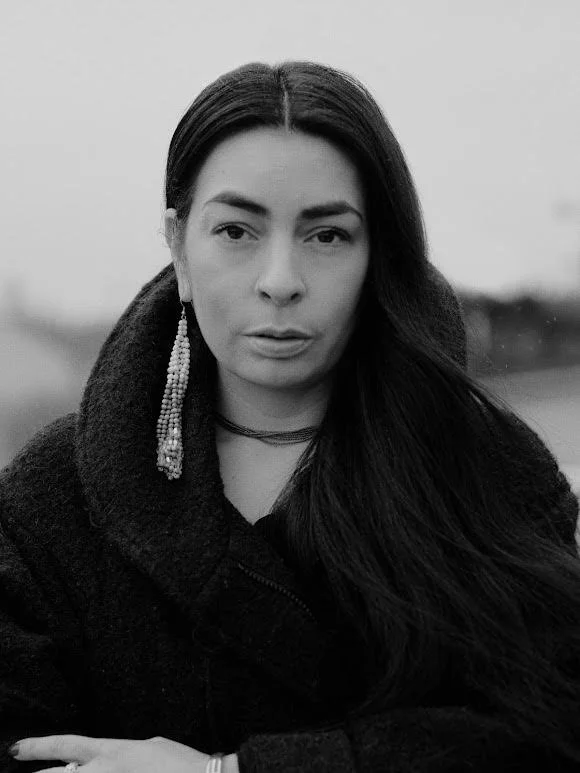
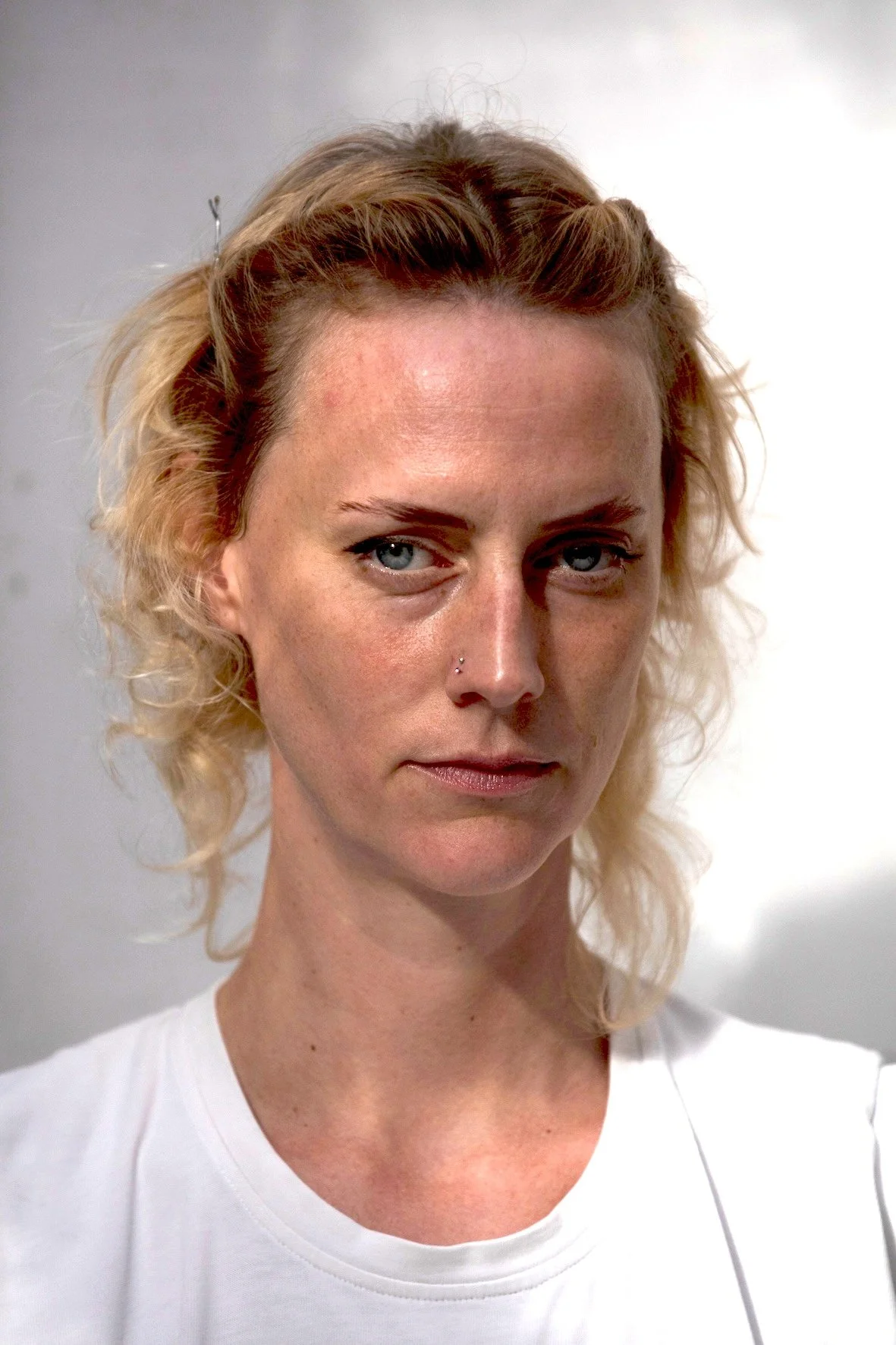
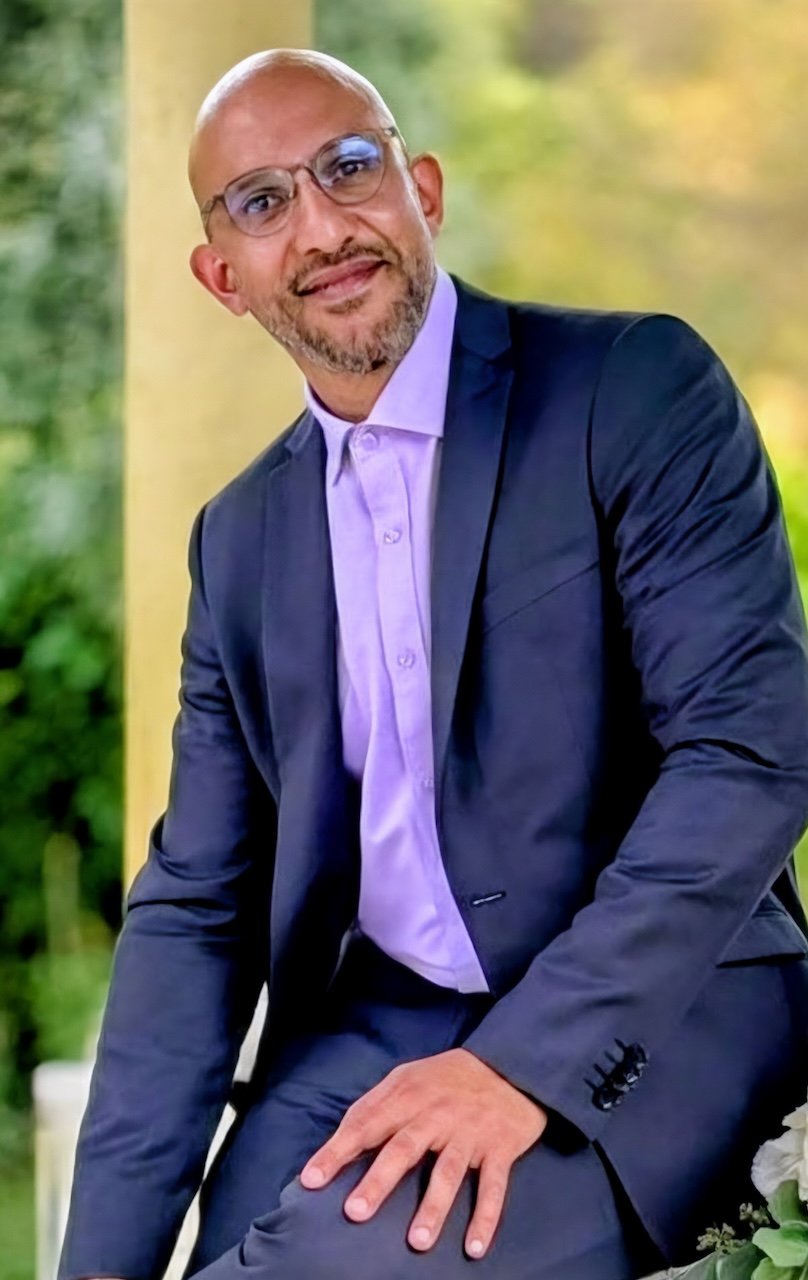
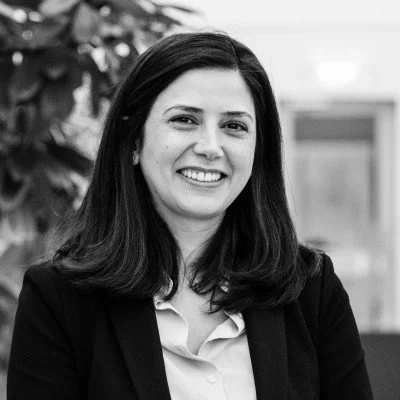
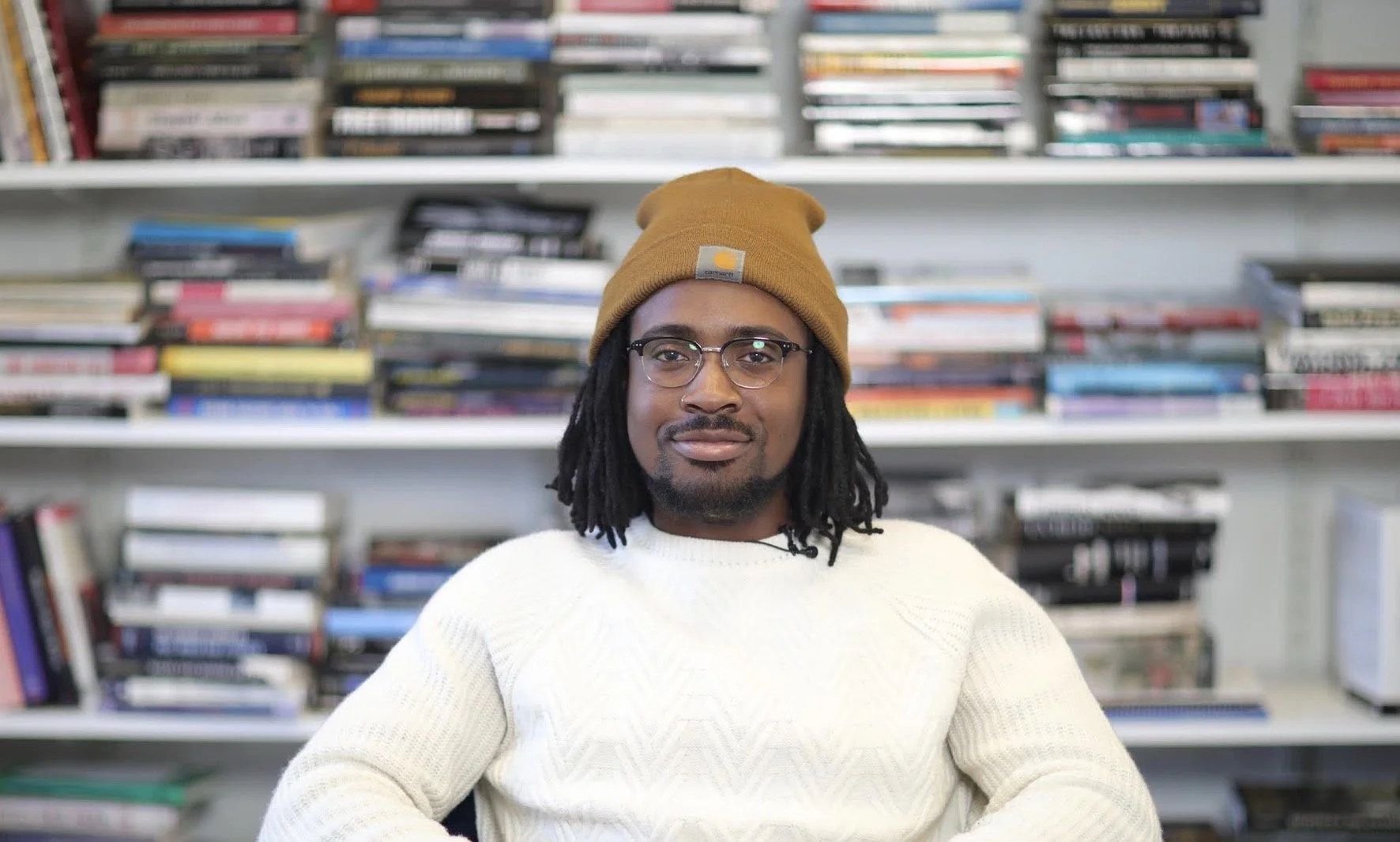
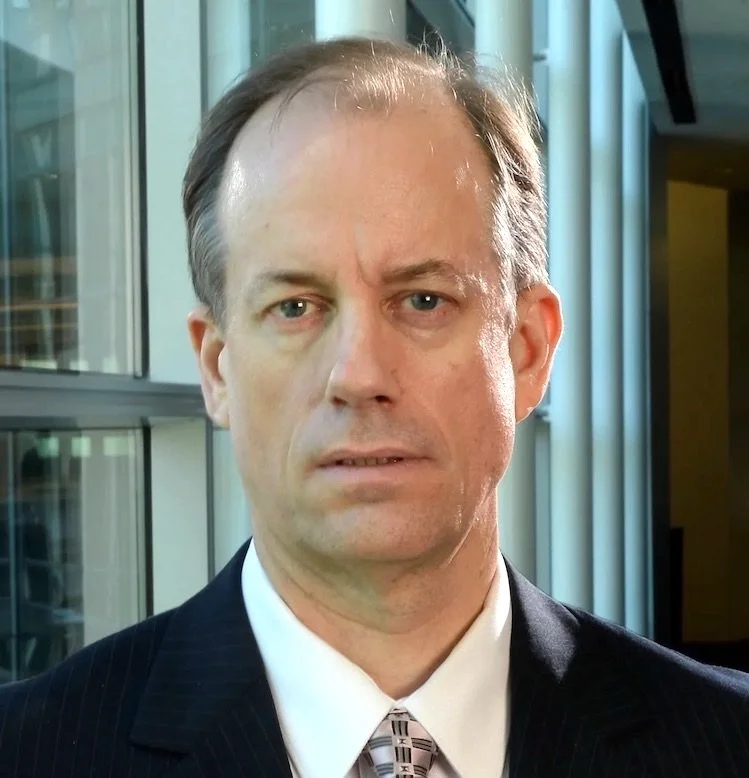


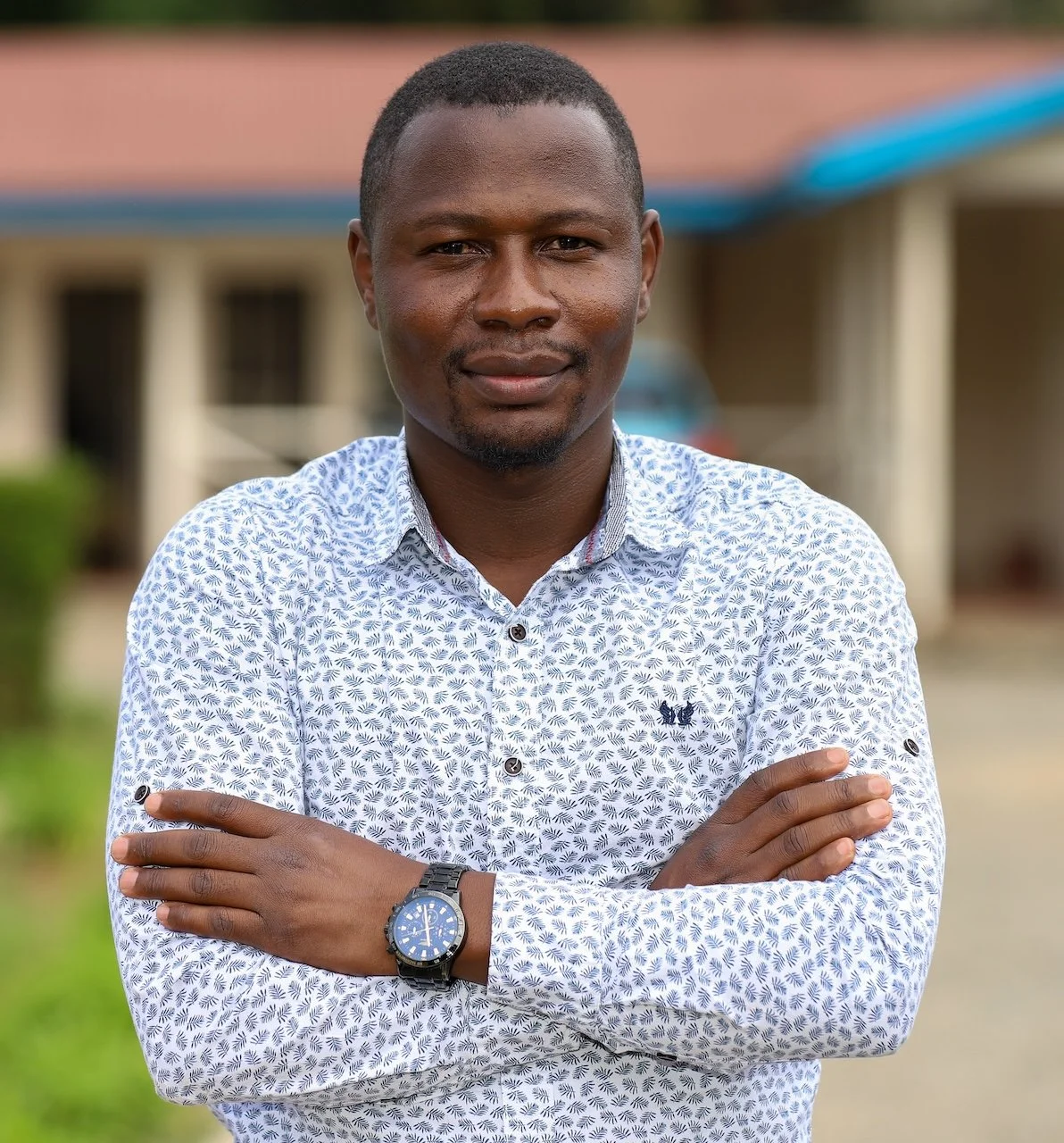
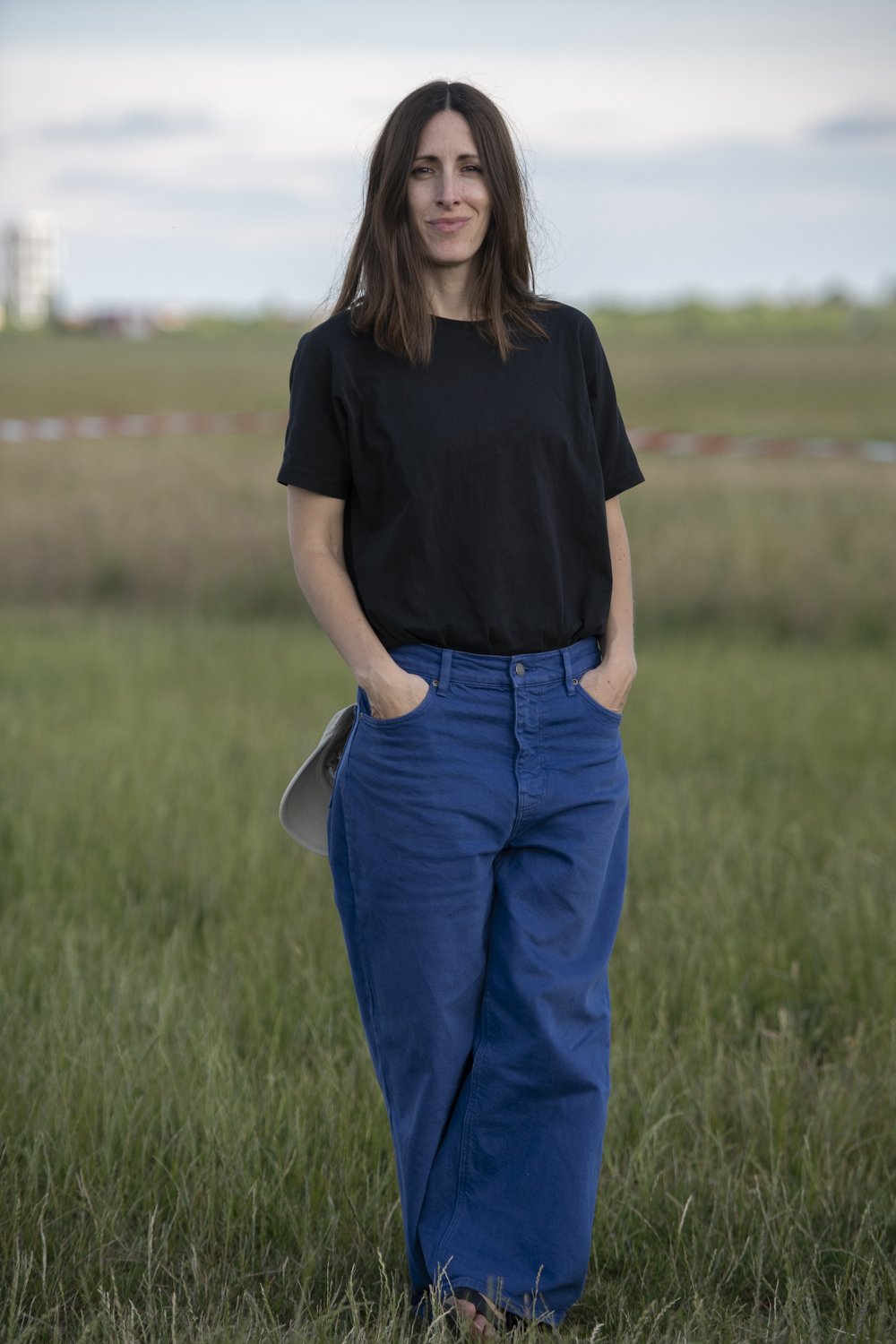

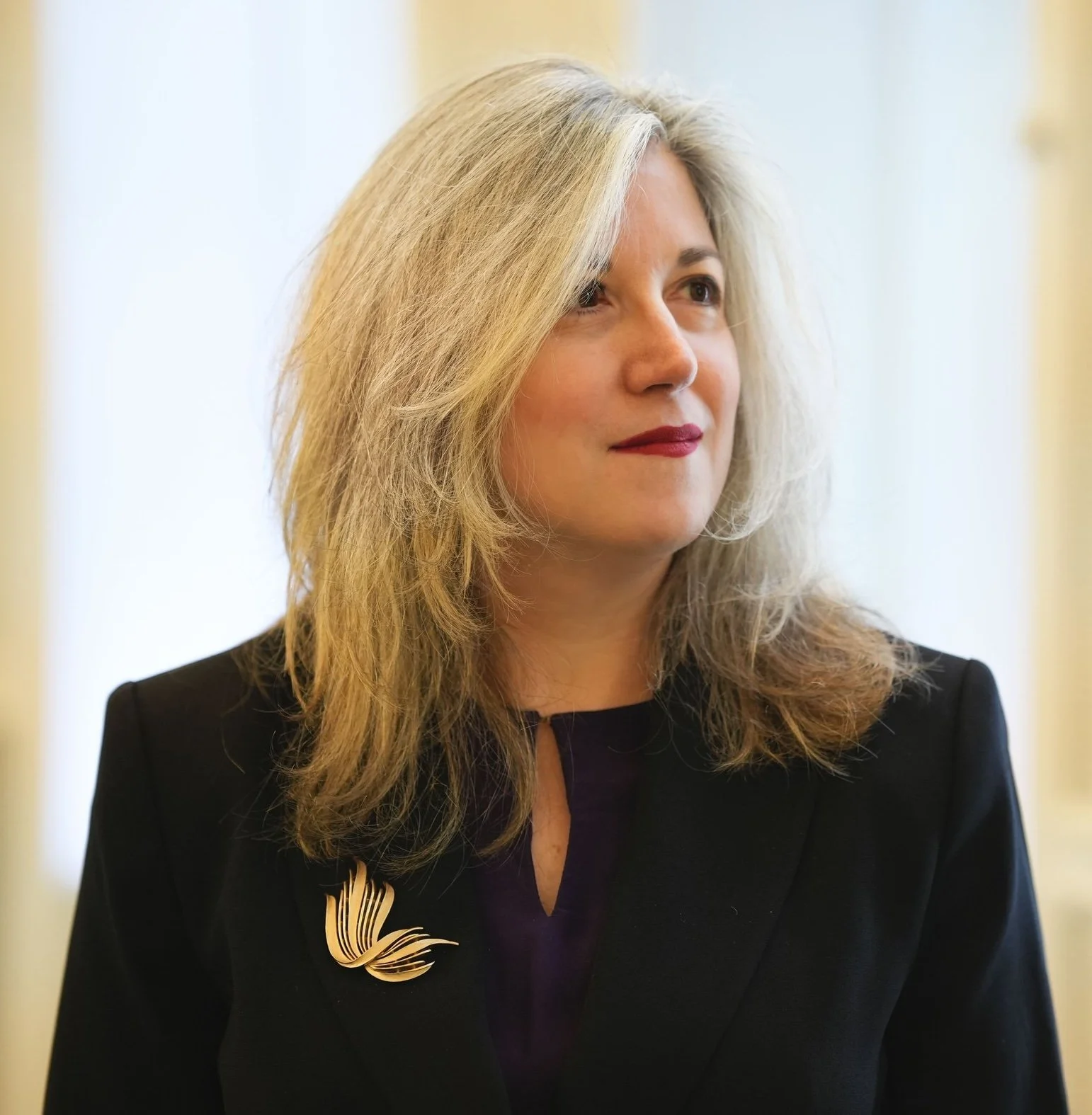
Cian Westmoreland (Whistleblower, Former US Air Force Drone Technician, US), Namir Shabibi (Independent Investigative Journalist, UK), Tiara Roxanne (Scholar and Artist, US/DE), Thomas Drake (Whistleblower, former Senior Executive at the National Security Agency, US), Pablo Torres Gómez (Sound Artist & Anthropologist, HFBK Hamburg, CO/DE), Kay (Activist & Campaigner, Purge Palantir, US), Jeff Ordower (Activist & Organiser, #teslatakedown, US), Ernest Cornel Oduor (Senior Communications Officer, Kenya Human Rights Commission-KHRC, KE), Eslem Demirel (Activist and Organiser with ORCA-Orca Resists Corporate Apartheid), Tobi (Activist and Former AI Scientist, ORCA-Orca Resists Corporate Apartheid), Ramy Raoof (Technologist, Digital Security Advisor, EG/DE), Jaya Klara Brekke (Writer and Technologist, Chief Strategy Officer, Nym SE/UK), Néstor Espinosa Robledo (Investigative Journalist & Historian, CO), Mais A.M. Qandeel (Associate Professor in Law and Technologies/International Law. University of Galway and Örebro University, SE), Dominik Winkler (Political Geographer and Communication Scholar, DE), Romain Lanneau (Researcher, Statewatch, Legal Advisor, Front-LEX, UK/NL), Joana Moll (Artist and Researcher, Professor of Networks, Academy of Media Arts Cologne, ES/DE), Tatiana Bazzichelli (Artistic Director, Disruption Network Lab, Director, Disruption Network Institute, IT/DE).
Back to top
Schedule
Friday 27 November 2026
16:30 CEST · Doors open
17:00–17:10 · Opening
Tatiana Bazzichelli (Artistic Director, Disruption Network Lab, Director, Disruption Network Institute, IT/DE).
17:10 – 17:40 · Performance: I Cannot Decolonize My Body: Automated Extraction
Tiara Roxanne (Scholar and Artist, US/DE) and Pablo Torres Gómez (Sound Artist & Anthropologist, HFBK Hamburg, CO/DE).
17:40 – 18:10 · BREAK & NETWORKING
18:10 – 20:15 · Keynote: Under the Kill Cloud: Exposing Technologies of War, Surveillance & Control
Cian Westmoreland (Whistleblower, Former US Air Force Drone Technician, US), Namir Shabibi (Independent Investigative Journalist, UK), Tiara Roxanne (Scholar and Artist, US/DE). Moderated by Thomas Drake (Whistleblower, former Senior Executive at the National Security Agency, US). Video contribution: Ernest Cornel Oduor (Senior Communications Officer, Kenya Human Rights Commission-KHRC, KE).
Saturday 28 November 2026
15:30 · Doors open
16:00 – 18:10 · Panel: Resisting Tech Domination: Data Centres, Big Tech & Militarisation
Kay (Activist & Campaigner, Purge Palantir, US), Eslem Demirel (Activist and Organiser, ORCA-Orca Resists Corporate Apartheid), Tobi (Activist and Former AI Scientist, ORCA-Orca Resists Corporate Apartheid), Ramy Raoof (Technologist, Digital Security Advisor, EG/DE). Moderated by Jaya Klara Brekke (Writer and Technologist, Chief Strategy Officer, Nym SE/UK).
18:10 – 18:40 · Break & Networking
18:40 – 20:45 · Panel: Scored, Tracked, Deported: AI and the Laboratory of Migration
Mais A.M. Qandeel (Associate Professor in Law and Technologies/International Law. University of Galway and Örebro University, SE), Dominik Winkler (Political Geographer and Communication Scholar, DE), Romain Lanneau (Researcher, Statewatch, Front-LEX, UK/NL). Moderated by Joana Moll (Artist, Professor of Networks at the KHM, ES/DE). Video contribution: Néstor Espinosa Robledo (Investigative Journalist & Historian, CO).
Sunday 29 November 2026
12:00 – 14:00 · Workshop: Purge Palantir · Register
With: Kay (Activist & Campaigner, Purge Palantir, US), Jeff Ordower (Activist & Organiser, #teslatakedown, US).
14:00 – 15:00 · Break & Networking
15:00 – 17.00 · Workshop: Disobedience – On Reclaiming Agency · Register
With: Eslem Demirel (Activist and Organiser, ORCA-Orca Resists Corporate Apartheid), Tobi (Activist and Former AI scientist, ORCA-Orca Resists Corporate Apartheid).
At Stadtwerkstatt. With the active participation of the speakers and the audience.
The 2025-2026 fellowship programme by Disruption Network Institute has been made possible with support from Luminate.
Conference funded by:
Senatsverwaltung für Kultur und Gesellschaftlichen Zusammenhalt (Senate Department for Culture and Social Cohesion), Luminate, The Reva and David Logan Foundation, Re-Imagine Europe (Co-funded by the European Union).
Partner Venues: Kunstraum Kreuzberg /Bethanien, Stadtwerkstatt.
Streaming partner: Boiling Head Media.
Technology Partner: Geier-Tronic.
Collaboration Partners partner: ARCHIVE BOOKS, R0G_Agency, Ehrliche Arbeit
Media Partners: Taz, Il Mitte, UntoldMag, Heist, Disjunctions
TESTING GROUNDS
The Kill Cloud, AI & Migration Control
While those at the top of the most prominent corporations are among the richest and most powerful people on earth, their position is based on the work and disadvantage of millions of people and the direct or indirect oppression of many of us. The ecological impacts of modern technology fall disproportionately on the Global Majority, and it affects us all in different ways in our everyday lives.
Artificial intelligence is actively reshaping how conflicts are managed and how human rights violations are documented. Wars are increasingly used as testing grounds for new lethal autonomous weapons, advanced recognition systems, biometric surveillance, and AI-driven programs to identify targets. Simultaneously, surveillance tools such as cameras, facial recognition, biometrics, and motion sensors are being deployed to expand AI-powered surveillance and data collection, particularly in areas like migration management, asylum procedures, and border control – but also within our urban environment, including the city of Berlin, as the recent debate on the implementation of predicting policing has been demonstrating.
Since 2023, the Disruption Network Institute, has been focusing on investigating “The Kill Cloud”. Concept coined by whistleblowers Lisa Ling and Cian Westmoreland, the Kill Cloud is a warfare infrastructure that stretches through sea, land, air, space and cyberspace. This conference presents new investigatory research by the three DNI fellows: Cian Westmoreland (Whistleblower, Former US Air Force Drone Technician, US), Namir Shabibi (Independent Investigative Journalist, UK), Tiara Roxanne (Scholar and Artist, US/DE). Tiara Roxanne, together with sound artist Pablo Torres Gómez, will also stage an artistic performance exploring the impact of AI and military technology on communities with limited civil rights at the border between US and Mexico.
The conference TESTING GROUNDS: The Kill Cloud, AI & Migration Control, explores the risks associated with the introduction of artificial intelligence, automated target recognition, and data extraction into our everyday lives, both online and offline. It demonstrates how these technologies have previously been adopted in war zones and at borders, which have served as testing grounds, to be then expanded to civil society at large. To gain a deeper understanding of the complexities surrounding this phenomenon, we aim to explore the role of data capitalism, monopolies of Big Tech, AI and surveillance technologies that promote a worldview grounded in exploitation, extraction and domination.
Through the work of our research fellows, including whistleblowers, investigative journalists, and artists, we are developing research about the risks of ubiquitous surveillance, automated extraction and AI in warfare. We are currently witnessing an alarming reduction of spaces of interaction and sharing knowledge, as well as the targeted persecution of communities that engage in critical thinking, whilst the internet is increasingly becoming the domain of corporations that contribute to the restriction of both digital and physical rights and get complicit in wars and the killing of civilians.
Alongside, free spaces for digital communication have gradually been constrained. A recent example of this is the US State Department’s sanctions against the Italian collective ‘Autistici/Inventati’, which for 25 years has been providing activists and many others with platforms and tools for digital self-defence and independent channels of communication (learn more at our meetup “Sovereignty Shutdown” taking place on October 31 in Berlin). This digital crackdown seems to be a consequence of a systematic repression that is taking place at a global scale – considering that last July the United States Department brought together governments from across the globe to address "the rise of far-left political terrorism as a transnational threat" - as they put it.
We want to expand our work and research connecting investigative journalists, whistleblowers, human rights activists, artists and organisations to investigate the wider use of AI in the military and its relationship with related technologies, such as drone warfare and the “Kill Cloud” that underpins the US drone programme and goes beyond it. This conference and the related community programme are an occasion to share ideas and practice around social, political, and technological injustice. But they are also a call of action for cross-collaboration in Berlin and internationally.
On Sunday November 29, two workshops will involve Berlin-based activists and initiatives to share skills and create new tools to fight digital injustice. We plan to discuss and generate new possible routes of social and political action within the framework of social and technological justice.
Back to top
Full Programme
Friday 27 November 2026 · Register
16:30 CEST · Doors open
17:00–17:10 · Opening
Tatiana Bazzichelli (Artistic Director, Disruption Network Lab, Director, Disruption Network Institute, IT/DE).
⤴︎ Schedule
17:10 – 17:40 · Performance · Register
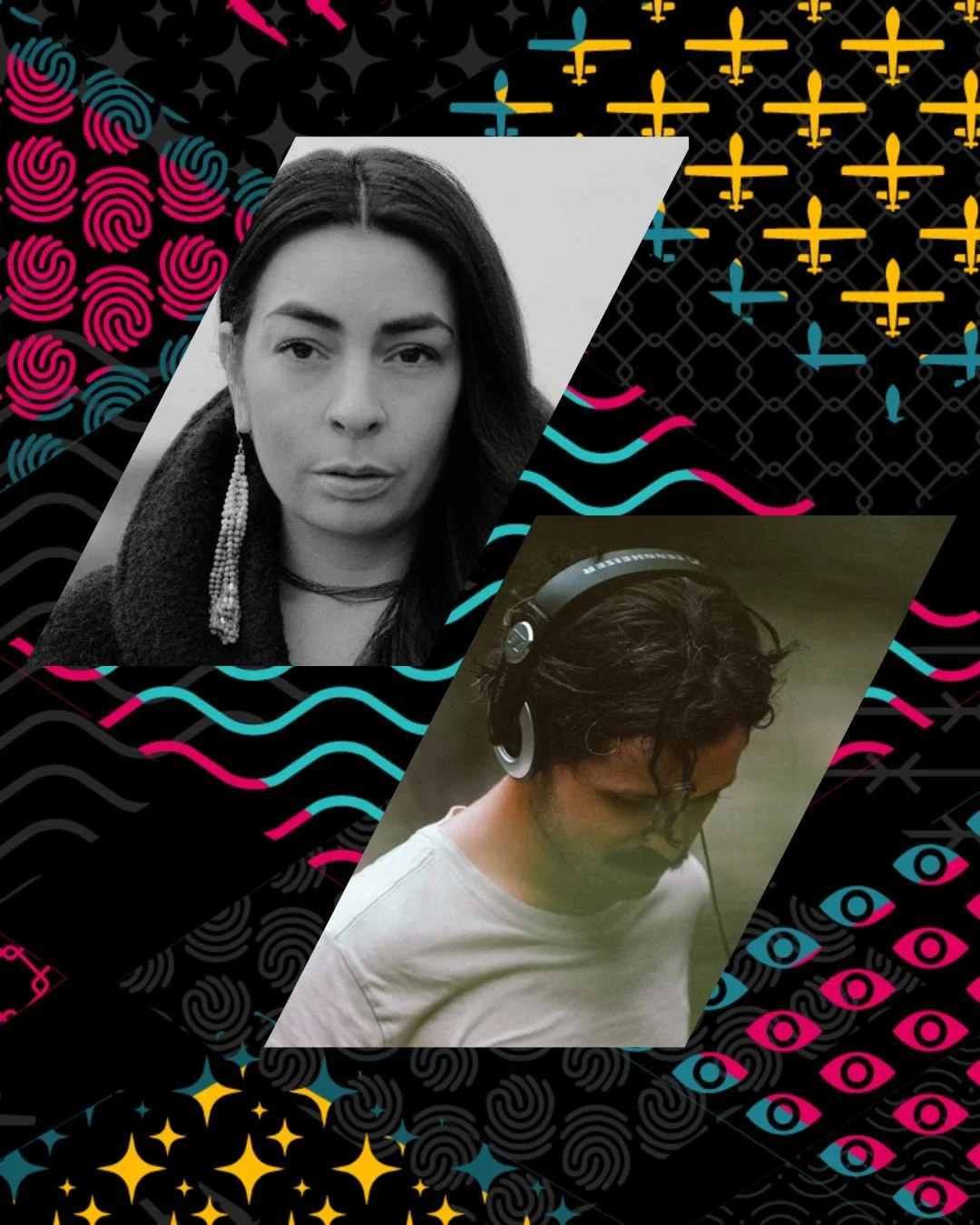
I Cannot Decolonize My Body: Automated Extraction
Tiara Roxanne (Scholar and Artist, US/DE) and Pablo Torres Gómez (Sound Artist & Anthropologist, HFBK Hamburg, CO/DE).
I Cannot Decolonize My Body: Automated Extraction is a 30-minute live performance by Tiara Roxanne and Pablo Torres Gómez that brings together voice, live data sonification, visualisation, and moving image. Extending from Roxanne’s research conducted during her fellowship at the Disruption Network Institute, the performance explores automated surveillance and the technological infrastructures of the US–Mexico border through embodied and sensory experience.
Tiara and Pablo will work with her research, attuning together, to its material through technological and bodily registers. Pablo will sonify datasets relating to the Smart Wall, surveillance infrastructure, and environmental conditions in real time along the US-Mexico border wall. The data is simultaneously visualised on a screen and layered with selected clips from Roxanne’s film I cannot decolonise my body: The Kill Cloud.
Central to the performance is the practice of attunement: a way of sensing and remaining in relation to systems that often appear distant, abstract, or immaterial. Moving across auditory, visual, and bodily registers, the performance engages with cross-modal sensing as a practice of negotiating between different ways of perceiving, rather than translating data into a single coherent experience. Sounds, images, and vibrations overlap, interfere, and sometimes contradict one another, unsettling the apparent neutrality of data and the infrastructures through which it is produced. Rather than encountering surveillance solely through numbers, maps, or technological systems, the performance asks what happens when these violent and often oppressive systems are made perceptible through and between bodies.
Automated Extraction considers surveillance and extraction as embodied relations between bodies, data, land, memory, and border infrastructures. The performance creates a space in which technological systems are not simply observed or represented, but sensed, asking how we might listen to, feel, and remain attentive to the relations they produce.
17:40 – 18:10 · Break & Networking
⤴︎ Schedule
18:10 – 20:15 · Keynote · Register
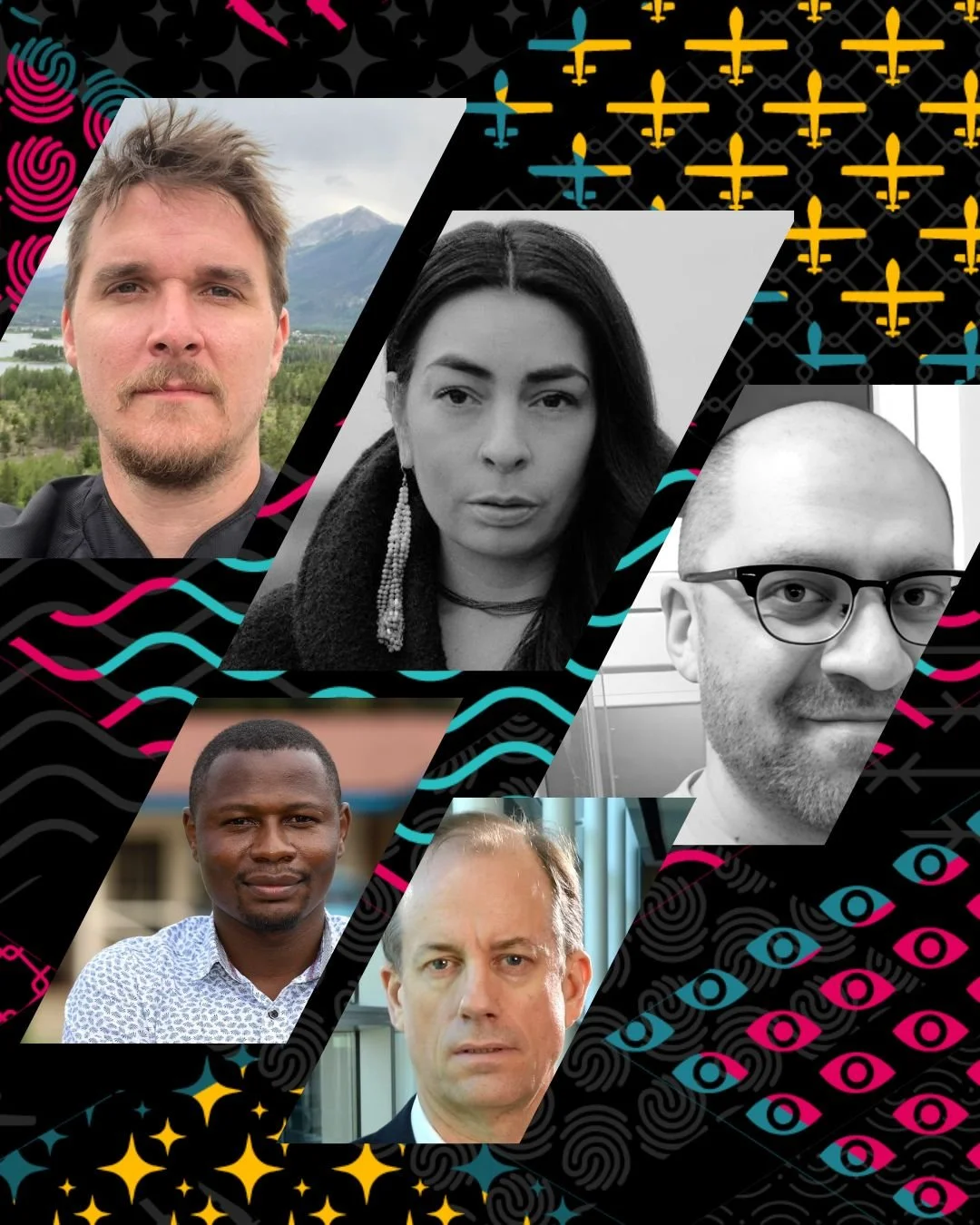
Under the Kill Cloud: Exposing Technologies of War, Surveillance & Control
Research by the speakers available at the Disruption Network Institute
Cian Westmoreland (Whistleblower, Former US Air Force Drone Technician, US), Namir Shabibi (Independent Investigative Journalist, UK), Tiara Roxanne (Scholar and Artist, US/DE). Moderated by Thomas Drake (Whistleblower, former Senior Executive at the National Security Agency, US). Video contribution: Ernest Cornel Oduor (Senior Communications Officer, Kenya Human Rights Commission-KHRC, KE).
Investigation of "the Kill Cloud", a term coined by US military whistleblowers-turned-DNI fellows (Ling, Westmoreland, 2021), is at the heart of the Disruption Network Institute's research. It refers to an intensifying, networked global infrastructure dominating the full spectrum of warfare – sea, land, air, space and cyberspace – deploying AI, satellites and communication tools to track, target and conduct autonomous warfare across all domains. This keynote panel brings together the DNI 2025–26 fellows to present their reports on the Kill Cloud's architecture and erosion of sovereignty (Westmoreland), telecoms surveillance and targeting in Kenya (Shabibi), and automated extraction targeting Indigenous peoples at the US-Mexico border (Roxanne).
Drawing on his participation in building one node of this system during deployment to Kandahar in 2009, Cian Westmoreland will expose how the Kill Cloud structurally dissolves accountability for lethal violence. His research, Architecture of Disappearance: The Kill Cloud's Dispersal of Violence and the Erosion of Sovereignty, describes warfare transformed into a system where banal technical gestures – configuring a server, patching a radio, maintaining an encrypted channel – become the synaptic relays of a global war-machine: violence emerges from the orchestration of countless distributed actions rather than a commander's decision. Westmoreland will trace how infrastructures of war now pulse with signals that traverse oceans and orbitals, binding together defense contractors, intelligence agencies, and corporate platforms into a living assemblage of violence.
Investigative journalist Namir Shabibi presents Telecoms, Ubiquitous Surveillance and State Crime: A Case Study from Kenya. He highlights advances in mobile location intelligence and the 'transference' of military-intelligence analytics to everyday policing, augmented by machine learning. His investigative ethnography exposes how Kenyan police exploit Safaricom's ubiquitous data collection for surveillance and targeting, enabled by software from Neural Technologies. His presentation includes a video testimonial of Ernest Cornel Oduor, examining Safaricom's threats to journalists and human rights organisations demanding accountability, the international network of complicity in state criminality, and calls for collective action.
Artist and scholar Tiara Roxanne delves into her research, Automated Extraction: Tactics of Surveillance and Targeting Indigenous Peoples at the US-Mexico Border. She argues that automated extraction is a manifestation of settler colonialism enacted through technological surveillance infrastructures. While data colonialism has long participated in the extraction and erasure of Indigenous peoples, contemporary AI-driven surveillance intensifies these conditions by continuously aggregating, classifying, monitoring and intervening in Indigenous, Mestisaje and migrant communities.
The panel is moderated by Thomas Drake, former Senior Executive at the National Security Agency who blew the whistle on massive waste, fraud and abuse within the NSA, intelligence failures surrounding 9/11, and subsequent efforts to cover them up.
Saturday 28 November 2026 · Register
15:30 · Doors open
⤴︎ Schedule
16:00 – 18:10 · Panel · Register
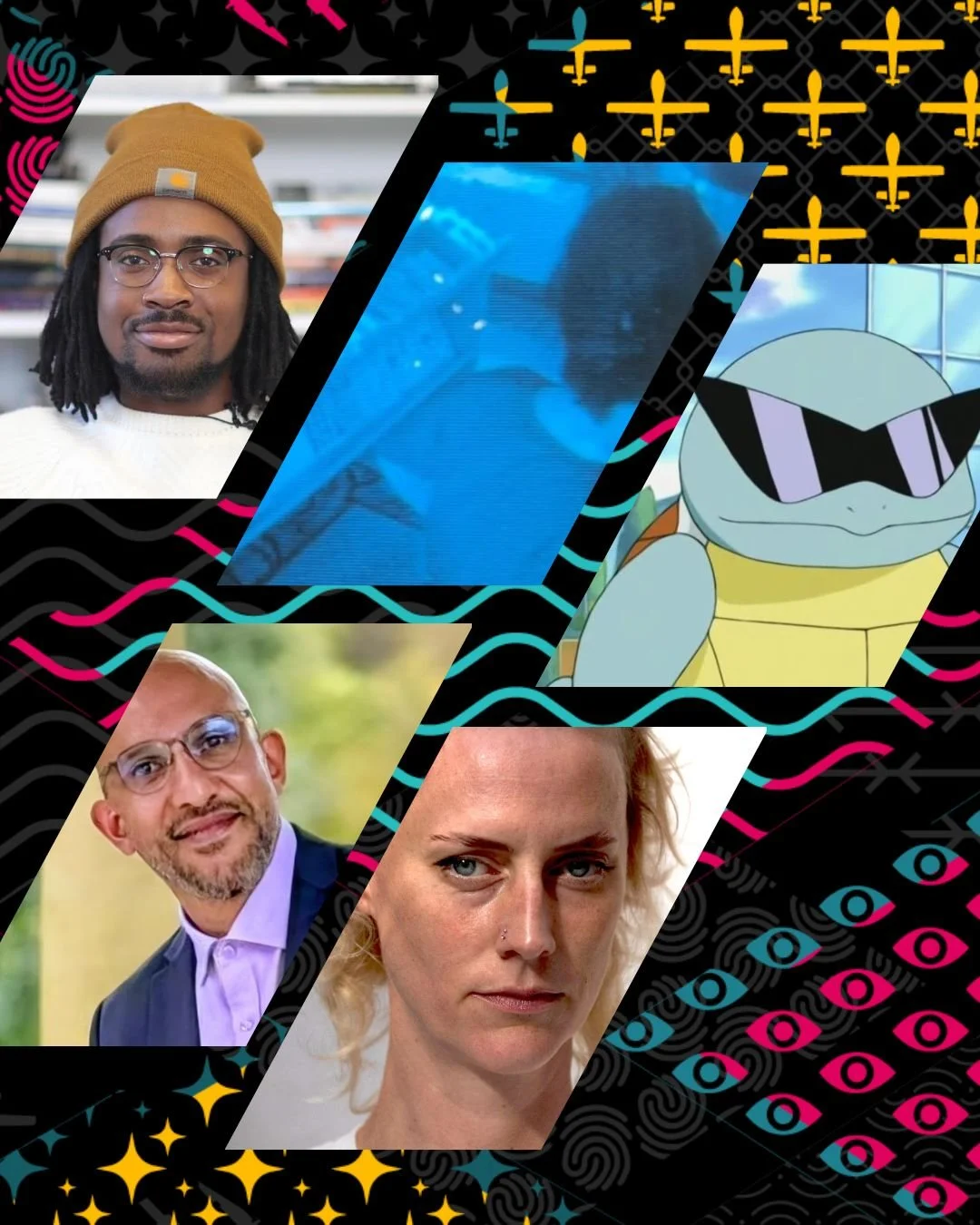
Resisting Tech Domination: Data Centres, Big Tech & Militarisation
Kay (Activist & Campaigner, Purge Palantir, US), Eslem Demirel (Activist and Organiser, ORCA-Orca Resists Corporate Apartheid), Tobi (Activist and Former AI Scientist, ORCA-Orca Resists Corporate Apartheid), Ramy Raoof (Technologist, Digital Security Advisor, EG/DE). Moderated by Jaya Klara Brekke (Writer and Technologist, Chief Strategy Officer, Nym SE/UK).
Across the US and around the world, resistance to Big Tech and tech authoritarianism is rising. Widespread backlash against AI data centres and surveillance – on environmental, privacy, moral, democratic, and economic grounds – has become so pronounced that investors are withdrawing support, shaking markets and the IPOs of Anthropic and OpenAI. Data centres have become a critical chokepoint in the global fight to slow AI development. As companies like Palantir operationalise a discriminatory political agenda – their software used by ICE to kidnap racialised immigrants and by federal agencies to cut “Diversity, Equity, and Inclusion” funding – the front of resistance widens. Palantir's record makes it the tip of the spear for Big Tech, and a rallying point for a broad movement fighting for democracy and self-determination. This panel brings together three perspectives on how we fight back: from collective organising, strategic disruption to community resilience.
Kay, activist and campaigner from Purge Palantir, presents how to build a broad resistance against Palantir. Peter Thiel has a long-documented history of racism, and CEO Alex Karp has openly stated that some cultures are inferior and that he is against multiculturalism and equity. Palantir's many crimes position it as the spearhead of Big Tech's entanglement with state power, and it is necessary to identify a strategic focus for building a broad movement of people from all sectors of society. This session explores how we can challenge the tech authoritarian agenda and organise for democracy and self-determination for all.
Nowadays Big Tech is supplying the military with the tools to optimise surveillance, to target precisely and to kill efficiently. The Pentagon proudly presents Palantir's latest 3-point click tool to execute a manual kill-chain. Most of these new systems aren’t classical dual-use software by design. They depend on ongoing maintenance and servicing by Big Tech employees. Ordinary software engineers are actively de-bugging code for live systems. They have become active participants in the battlefield.
ORCA-Orca Resists Corporate Apartheid was formed to address this new reality through disruption, raising awareness, supporting regulation, and organising tech workers. But awareness alone doesn't stop corporations. That's why ORCA is launching its own resistance tool. Come learn how it works – and why you should use it.
Drawing on 18 years investigating surveillance in high-risk environments and researching how European technologies facilitate repression across MENA, Ramy Raoof examines how technologies are weaponised against activists, dissidents, journalists and civil society. People's lives and borders are treated as testing grounds, from censorship, communications interception to digital intrusion, surveillance functions as the critical first link in a chain of physical oppression and collective punishment. Yet the adversary’s reach exposes a deeper truth: technology alone cannot ensure safety. True resilience lies in non-technical protocols that manifests in community solidarity, trust, and human relationships as the ultimate collective shield.
18:10 – 18:40 · Break & Networking
⤴︎ Schedule
18:40 – 20:45 · Panel · Register
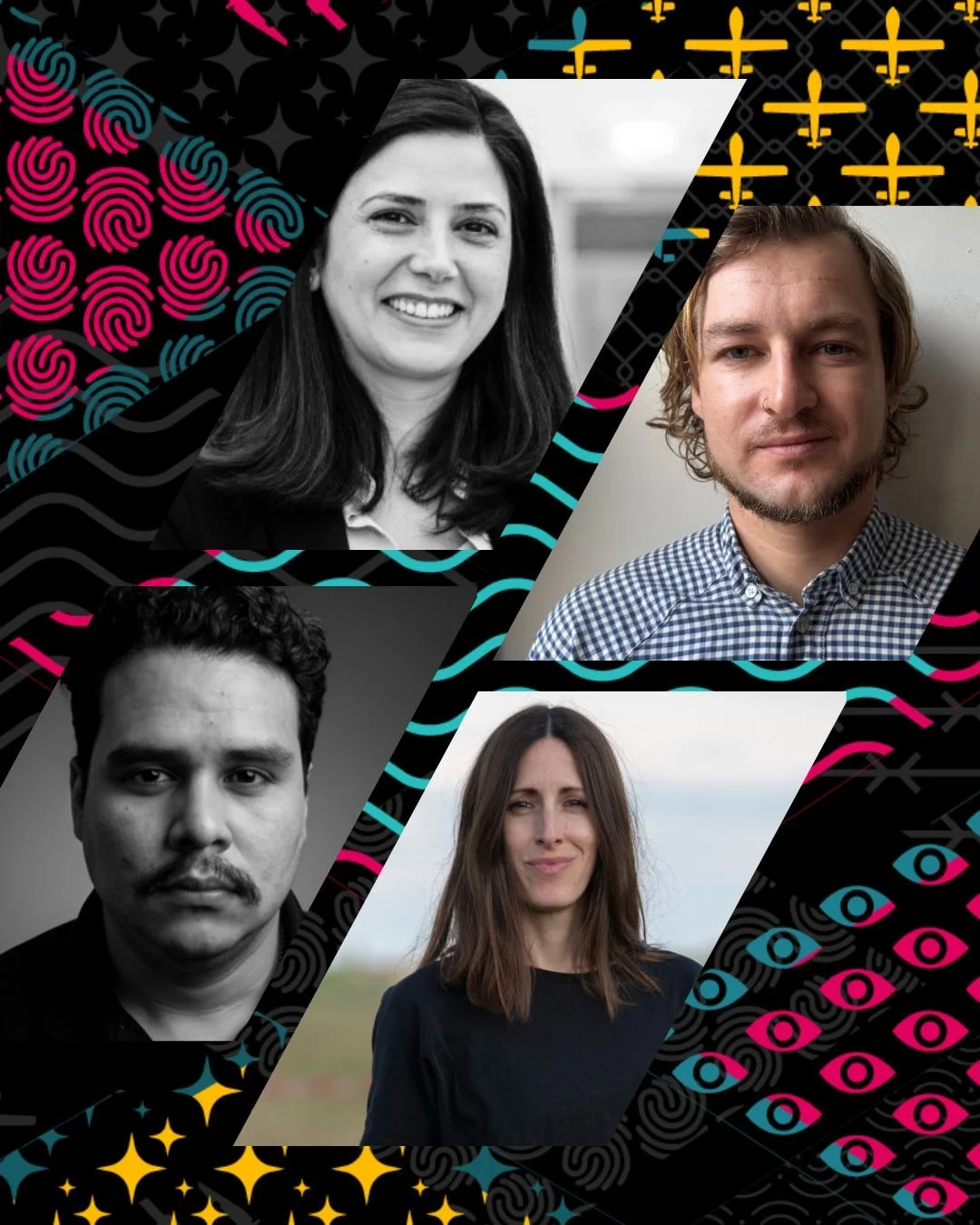
Scored, Tracked, Deported: AI and the Laboratory of Migration
Mais A.M. Qandeel (Associate Professor in Law and Technologies/International Law. University of Galway and Örebro University, SE), Dominik Winkler (Political Geographer and Communication Scholar, DE), Romain Lanneau (Researcher, Statewatch, Front-LEX, UK/NL). Moderated by Joana Moll (Artist, Professor of Networks at the KHM, ES/DE). Video contribution: Néstor Espinosa Robledo (Investigative Journalist & Historian, CO).
From Colombia's pandemic databases to a privatised deportation prison at Berlin Airport, this panel traces how big tech and border regimes are merging into a single machinery of control and how movements are fighting back. Technology corporations are active participants in systems of violence and control. Understanding these systems is the starting point for challenging them collectively.
The panel opens with a newly produced short video by Colombian investigative journalist Néstor Espinosa Robledo, "From Pandemic to Deportation: Palantir, Colombia's Health Data and ICE". In 2020, Colombia handed its pandemic to Palantir. With no tender and at no cost, the company ran the national COVID-19 Visor. CoronApp data fed the Visor processing 40M+ biomedical records, from ID numbers and addresses to symptoms and clinical history, on Amazon servers in Ireland. Today, Palantir builds ICE's ImmigrationOS and ELITE, assigning each person a "confidence score". ICE arrested 7157 Colombians between January and July 2026 – nearing 2025's total of 9,716 – and deportation orders for Colombians already exceed 2025's. Colombia’s new right-wing president integrated Palantir across state intelligence and in October, Decree 1525 redrew police responses to protest.
Mais A.M. Qandeel examines how AI-enhanced systems are used in conflicts and militarised borders, reshaping surveillance, immigration enforcement and political repression to violations of human rights and humanitarian law. The talk traces the role of Big Tech in Palestine, where facial recognition, predictive profiling, and targeting systems have operationalised atrocity crimes. It draws parallel lines to Europe and the USA’s weaponisation of migration policy, where AI-driven border systems criminalise movement to render refugees invisible to rights. Across these contexts, a shared pattern emerges: one that treats racialised communities as laboratories.
Romain Lanneau shows how authorities at the frontiers deploy experimental digital tools to identify, score and sort people, never mind the tech's inaccuracies. What took place at the margins is now coming to the forefront: technologies fast-track mass deportation programmes and limit redress mechanisms, while invasive automated tools previously limited to exceptional cases of terrorism, are deployed to track and silence political dissent in our cities. Big tech companies, collaborating with governments even perpetrating war crimes, no longer hide; they proudly announce new AI partnerships. But the objective is not precision. It has never been. Technology merely serves as an excuse to target a list of people deemed enemies.
Construction has begun on a privatised deportation prison at Berlin Airport, part of the militarisation of EU border infrastructure under the Common European Asylum System. Businessman Jürgen B. Harder is set to build and rent the prison back to the state, with estimated profits of at least €315 million. Dominik Winkler examines it as a case of border infrastructure turned lucrative business and follows the political movement organising against its construction – exploring mobilisation strategies amid the criminalisation of migration, racist public discourse and militarisation. How can struggles move beyond defending rights towards a broader horizon of border abolition and freedom of movement for all?
Purge Palantir
Workshop
Sunday 29 November · 12:00–14:00 · Register
At Stadtwerkstatt (Karl-Liebknecht-Straße 11, 10178 Berlin) · How to find
With: Kay (Activist & Campaigner, Purge Palantir, US), Jeff Ordower (Activist & Organiser, #teslatakedown, US).
Participants: Max 70.
Palantir is an AI software and surveillance company that works with governments and private companies to organise, draw insight from, and act on vast amount of public and private data. Palantir’s technology is a critical part of the most aggressive Trump's attacks domestically – it is used by Immigration and Customs Enforcement to hunt down and kidnap immigrants and keep track of those who oppose Trump, and it was used by DOGE in their reported attempts to integrate sensitive data on Americans across government agencies. Palantir is used in the Internal Revenue Service and the Small Business Association weaponising taxpayer and small business data to go after racialised allegations of fraud against working class people, and they are in the Department of Health and Human Services being used to deny federal grants for organisations and programs that support Black people, trans people, and other marginalised identities. They are also functional to the US and Israel’s military and defence projects around the globe. Their software is used in the targeting and killing of Palestinians, in the Lebanon pager attack, in the kidnapping of Maduro in Venezuela, and in the strike that killed hundreds of children at Minab School in Iran.
Beyond a software company, Palantir is a political project – their leaders tell us plainly. Co-founder Peter Thiel is a consequence of apartheid South Africa and has written about the downsides of diversity and women’s rights. He believes that society should be run by a handful of smart white men acting as technocrats, and that technology like AI, automation, and Palantir can help him and his allies amass enough capital and technological capacity to circumvent democracy and run the world as virtual CEO-kings. Their CEO Alex Karp proclaims every chance he gets that Palantir’s mission is to defend the West from its enemies, rejoices at killing and humiliating his perceived enemies, and talks about how all cultures are not equal, some are regressive, and the West must assert its dominance.
In this workshop, Kay and Jeff will explore what resistance against Palantir looks like in the US and across the globe, and map out the relationship between Peter Thiel, Palantir, and the rise of fascist ideologies and right wing extremism across the world. Participants will be invited to share how Palantir and Peter Thiel are operating in their respective geographies, and we’ll explore what strategies are working, what challenges we’re facing, and what collective opportunities may exist for building mass movements against technofascists and win the world we need.
This workshop is designed for international participants. Participants are encouraged to come ready to share about their work, and with questions that will benefit collective organising in different geographies.
14:00 – 15:00 · BREAK & NETWORKING

Disobedience – On Reclaiming Agency
Community Activation / Workshop
Sunday 29 November · 15:00–17:00 · Register
At Stadtwerkstatt (Karl-Liebknecht-Straße 11, 10178 Berlin) · How to find
With: Eslem Demirel (Activist and Organiser, ORCA-Orca Resists Corporate Apartheid), Tobi (Activist and Former AI scientist, ORCA-Orca Resists Corporate Apartheid).
With the active participation of the speakers and the audience.
Participants: Max 70.
Agency is the capacity to take decisions and enact them in the world. Disobedience is the intentional violation of laws to provoke change. Young people are no longer asking for representation. There is a whole future to be won, and this generation is ready to reclaim it.
From individual experience to collective action: What brings people to take action, and how do their own experiences build movement to push back against the militarisation of technology? How do activists direct public pressure, from consumer behaviour to holding governments and corporations accountable?
Grassroots advocacy and disruption: What have activists learned about building collective power while managing personal, professional and organizational risks? How do activists mobilize and what is the impact of grassroots advocacy?
This workshop is designed to invite critical thinking and skill-sharing, and to build vision together.
Together we can reclaim tech to reclaim our agency over the future.
Back to top
Speakers

Cian Westmoreland
Whistleblower, Former US Air Force Drone Technician, US
Cian Westmoreland specialised in C4ISR technologies in the United States Air Force, serving at Kandahar Airfield, Afghanistan in 2009 with the 73rd Expeditionary Air Control Squadron, where he helped network air and space assets with ground operations and distant command centers. After receiving an award and conducting research into civilian casualties connected to his unit’s operations, he left the military to study International Relations. He became an outspoken critic of the U.S. military’s overreliance on remote killing in the Global War on Terror, citing its lack of accountability and the strategic blowback it generates. His current research focuses on the networked and diffused decision-making processes in modern warfare, particularly as they converge in the development of autonomous weapon systems (AWS).
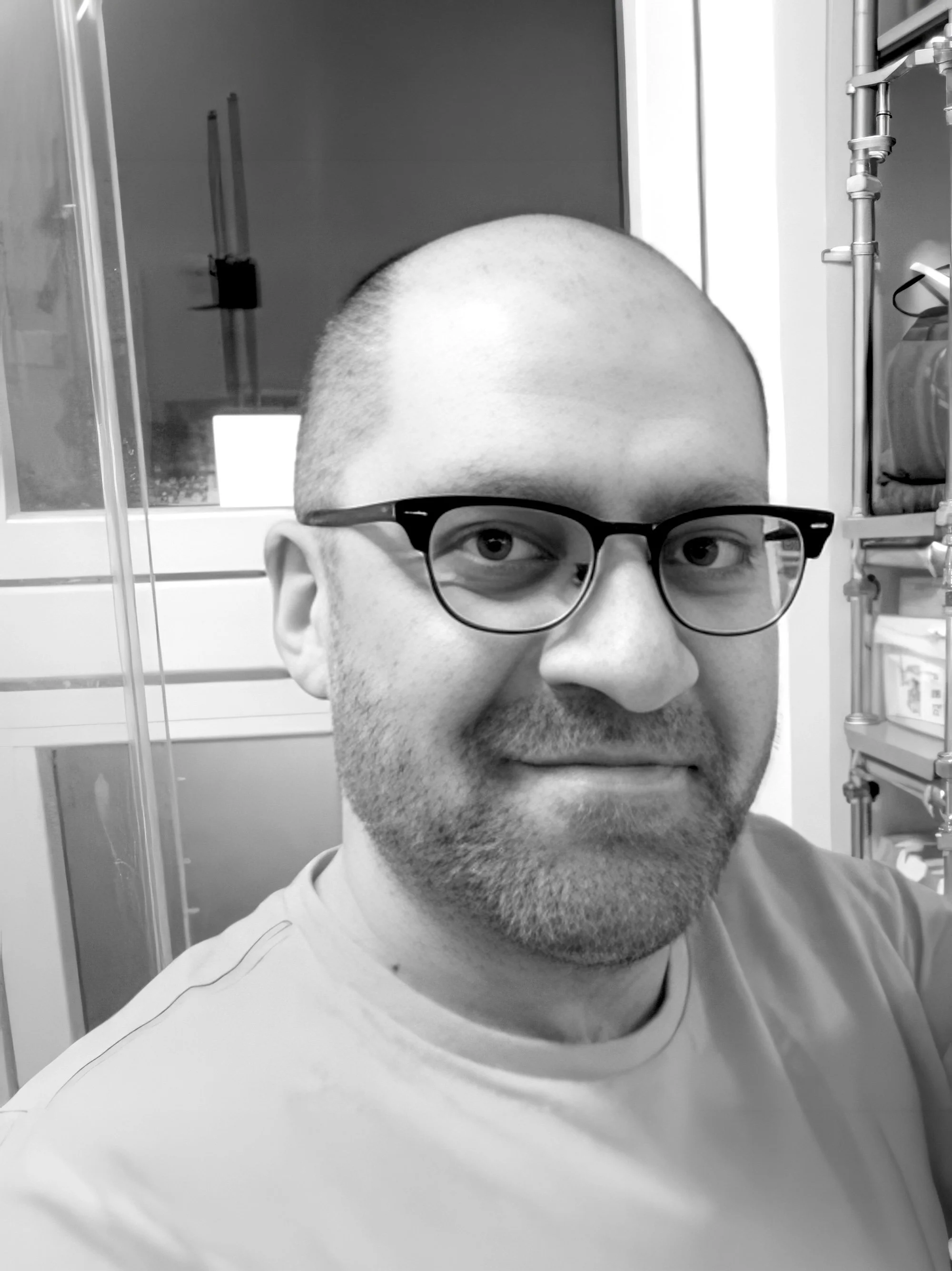
Namir Shabibi
Independent Investigative Journalist, UK
Namir Shabibi is an independent investigative journalist, as well as a research and media consultant. His specialisms include AI, autonomy, surveillance and tech in national security, counter-insurgency and war. Namir has published reports and documentaries for the BBC, the Bureau, Foreign Policy, The Independent, Middle East Eye, and VICE News, among others. He also undertakes investigative research for advocates, and has served as an expert witness on cases related to counterterrorism, covert operations and state surveillance. Namir is currently a pro bono adviser to the Kenya Human Rights Commission, and gives visiting lectures at a number of British universities.
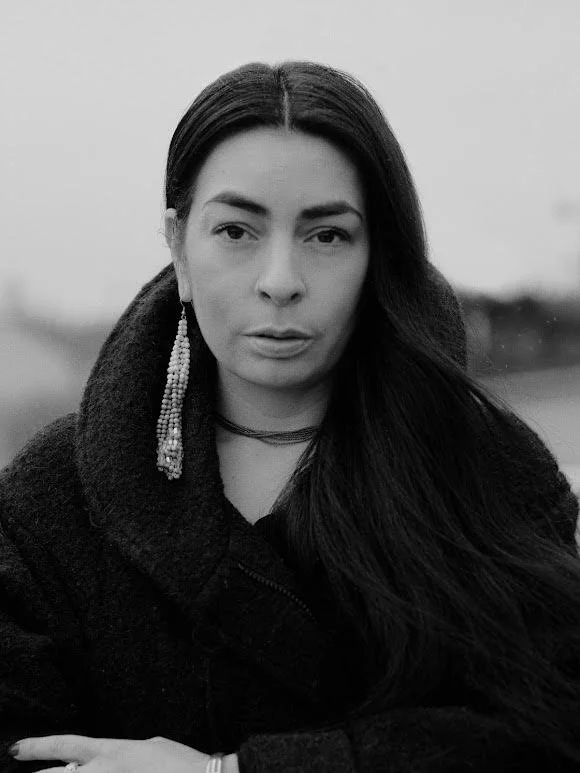
Tiara Roxanne
Scholar and Artist, US/DE
Tiara Roxanne is a scholar and performance artist whose work rethinks the ethics of AI through an anticolonial, eco-feminist, and cyberfeminist lens. Their research critiques how digital technologies rely on the extraction of resources from Indigenous lands and examines how these infrastructures carry colonial legacies inscribed in land, bodies, and memory. They are the author of the forthcoming book with University of California Press (2027), which develops their concepts of digital attunement and the technological haunt. Tiara has presented at ARS Electronica (Linz), Images Festival (Toronto), Squeaky Wheel Film and Media Art Center (NY), Trinity Square Video (Toronto), Leuphana University (Lüneberg), European Media Art Festival (Osnabrück), University of Applied Arts (Vienna), SOAS (London), SLU (Madrid), transmediale (Berlin), Duke University (NC), Cambridge University (UK), among others.
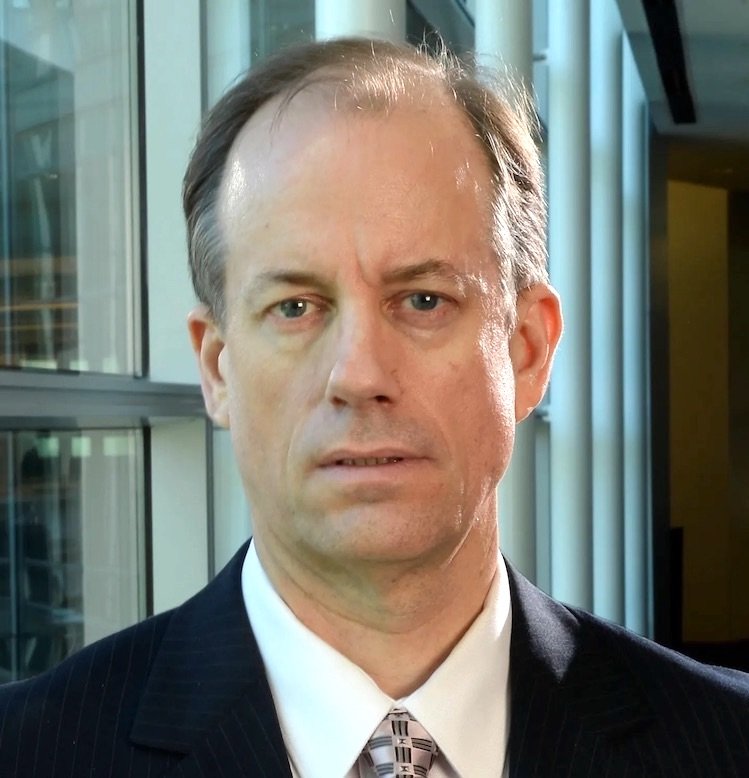
Thomas Drake
Whistleblower, former Senior Executive at the National Security Agency, US
Thomas A. Drake is a decorated Air Force/Navy veteran and former NSA senior executive who exposed intelligence failures, multi-billion-dollar fraud, and post-9/11 warrantless mass surveillance through every lawful whistleblower channel and then the press in the public interest before facing a 10-count Espionage Act indictment in 2010. A global advocate against privacide – the systemic destruction of privacy and autonomy as a human right – he warns that unchecked AI-enabled surveillance and power enable tyranny through Hannah Arendt's "banality of evil" where ordinary officials commit extraordinary harm through institutional complicity, as well as malice, as the engine of state abuse. He remains a leading voice on our precious freedoms and as witness against the moral failures of humanity.

Pablo Torres Gómez
Sound Artist and Anthropologist, HFBK Hamburg, CO/DE
Pablo Torres Gómez is a researcher, sound artist, and anthropologist whose practice listens, imagines and crafts geoaffective assemblages, engaging vibratory modes through which earthbound relations emerge. With(in) these modes, Pablo unsettles the notion of silence in contexts of planetary extractivism, moistening forms of ecological belonging beyond imaginaries of separability and permanence. Torres Gómez is a PhD candidate in Art in Practice at the HfbK Hamburg, holds a B.A. in Social & Cultural Anthropology and a M.A. in Design & Computation from the UdK Berlin. He is associate director of the Listening Biennial, and his work has been activated at documenta15, LABVERDE, Ars Electronica, TBA21’s Ocean Archive, and Kunstmuseum Stuttgart, among others.
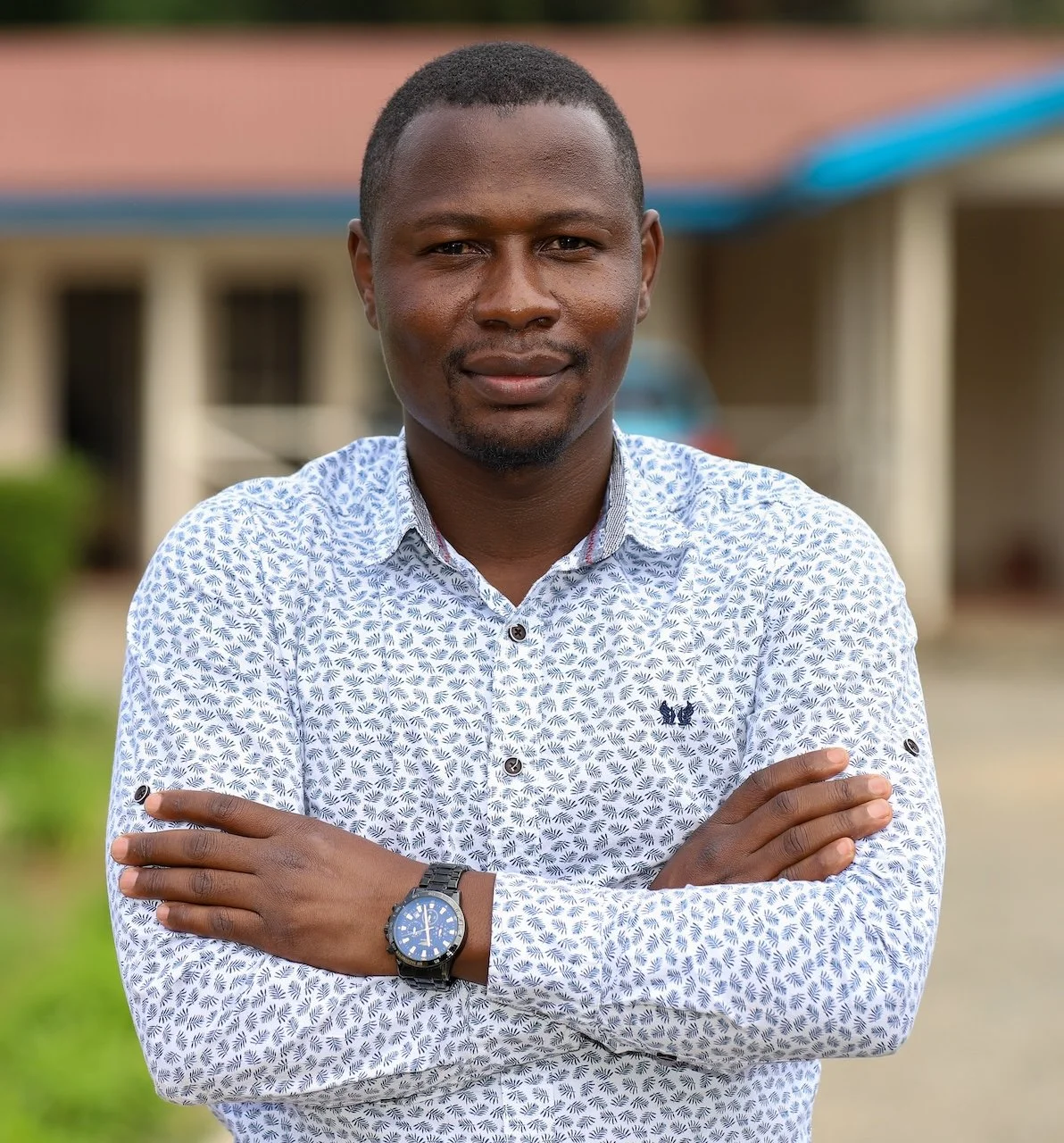
Ernest Cornel Oduor
Senior Communications Officer, Kenya Human Rights Commission-KHRC, KE)
Ernest Cornel Oduor is a communications and advocacy specialist with a background in journalism and over a decade of experience shaping public narratives across governance, development, and human rights sectors. He is a published commentator who has appeared in major international press. Oduor’s work has contributed to high-impact research, multimedia campaigns, and sustained media visibility for critical human rights issues, including those touching on tech and surveillance. Notably, his 2021 investigation and advocacy in an enforced disappearance case in Mombasa contributed to a landmark High Court decision in 2025 that awarded a family KSh20 million in damages.
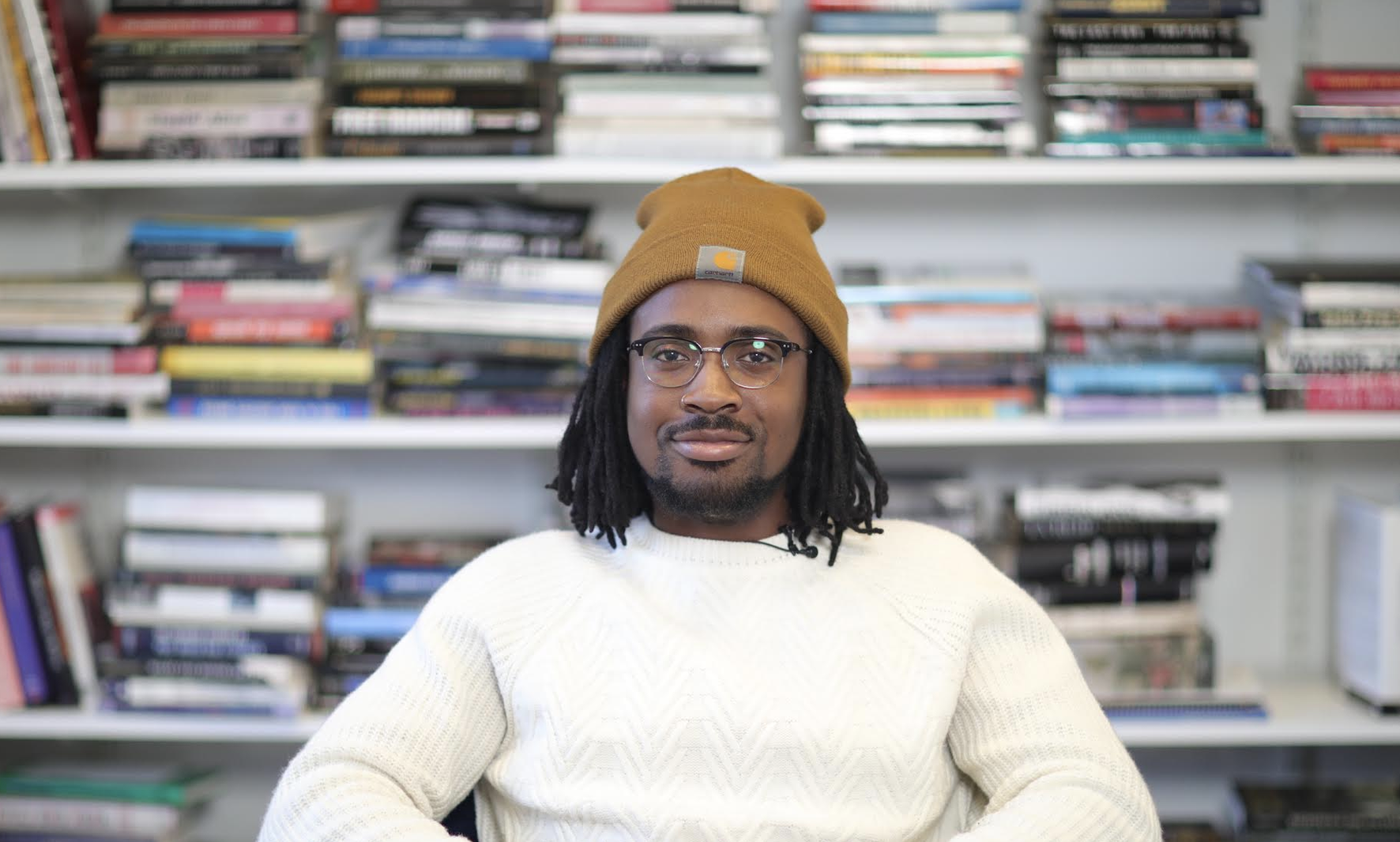
Kay
Activist and Campaigner, Purge Palantir, US
Kay is a Black socialist organizer, trainer, and strategist who has contributed to building and strengthening social movements across the world. He is currently a campaigner with the Other Side Project, where he focuses on campaigns aimed at stopping Palantir and their leaders from enabling and driving ICE kidnappings, genocide, AI warfare, mass surveillance, labour displacement, and fascism.
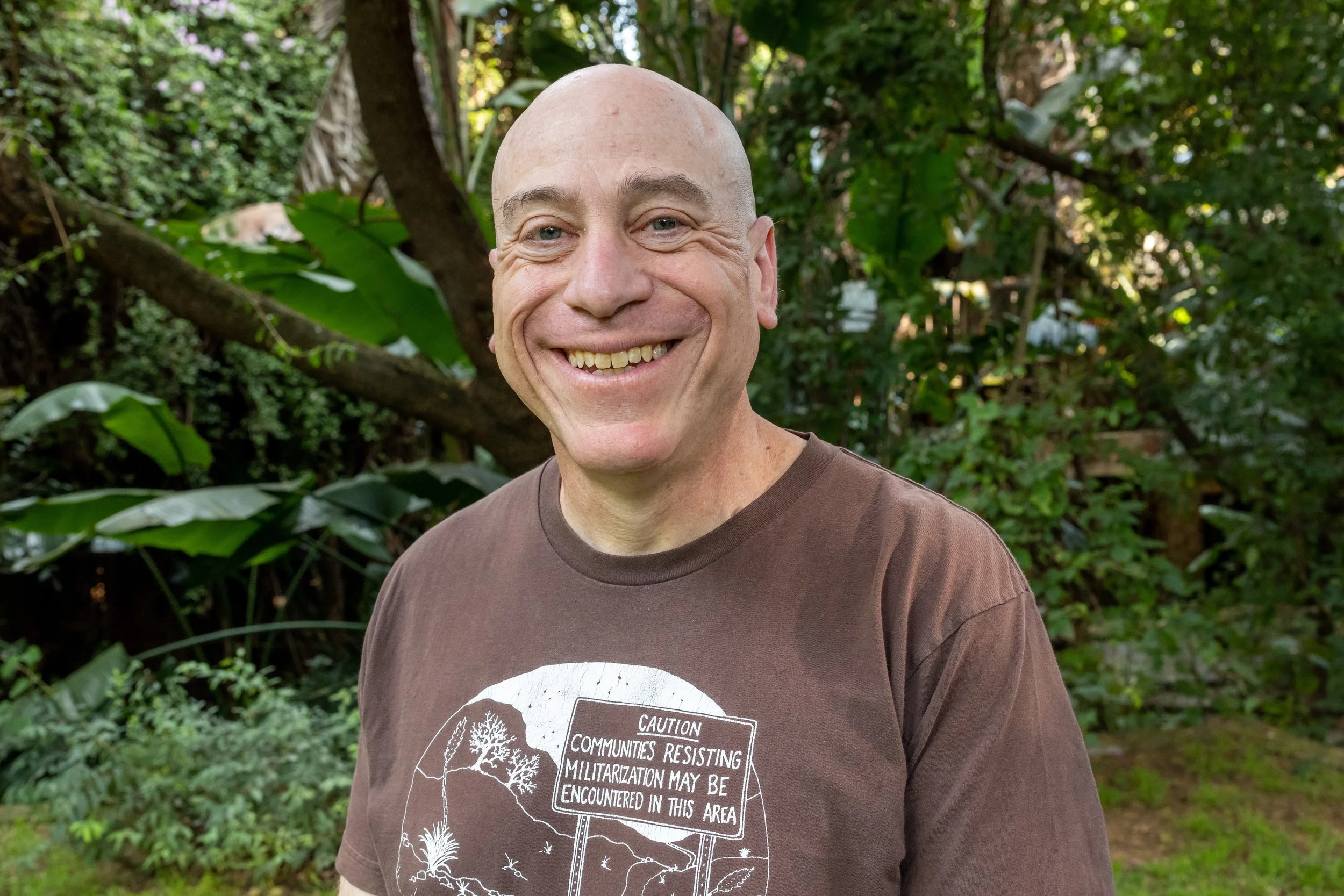
Jeff Ordower
Activist and Organiser, #teslatakedown, US
Jeff Ordower has over 30 years of community and labour organising experience, mostly in the US. He has helped rideshare drivers and renewable energy workers fight for better working conditions. He has organised dozens of mass actions and has run numerous campaigns at the intersection of class and climate. Currently, Ordower is working to build mass resistance to the tecnofascists like Peter Thiel and Elon Musk.
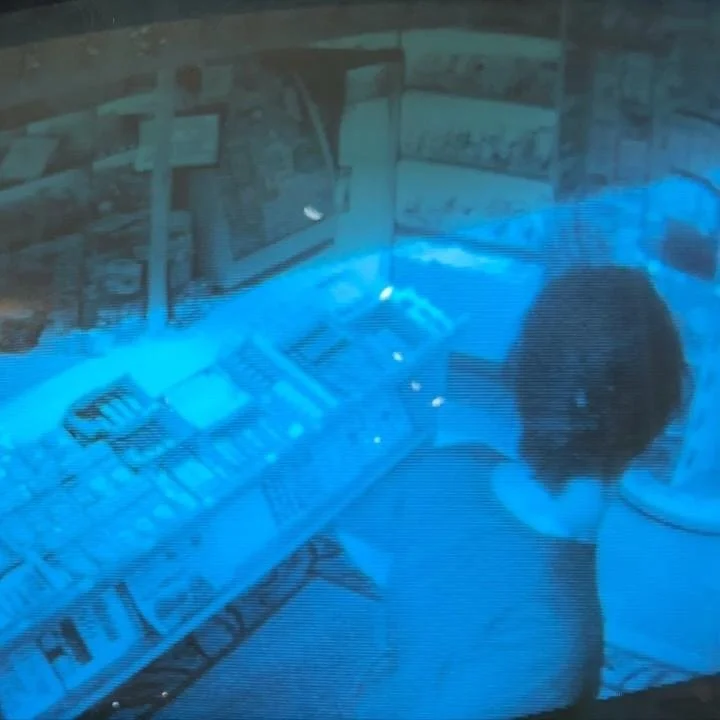
Eslem Demirel
Activist and Organiser, ORCA (Orca Resists Corporate Apartheid)
Eslem is an activist, previously worked as Big Tech employee and is engaged as organiser with ORCA (Orca Resists Corporate Apartheid) to reclaim full agency over technology.

Tobi
Activist and Former AI Scientist, ORCA (Orca Resists Corporate Apartheid)
Tobi is an activist and former AI scientist. He holds a PhD in theoretical neuroscience from ETH Zurich and has been an AI researcher for 10 years. In the past 5 years, he worked on international regulation of autonomous weapons as an activist with Stop Killer Robots. He recently quit science to focus on holding big tech companies accountable for their war crimes and immoral AI development.
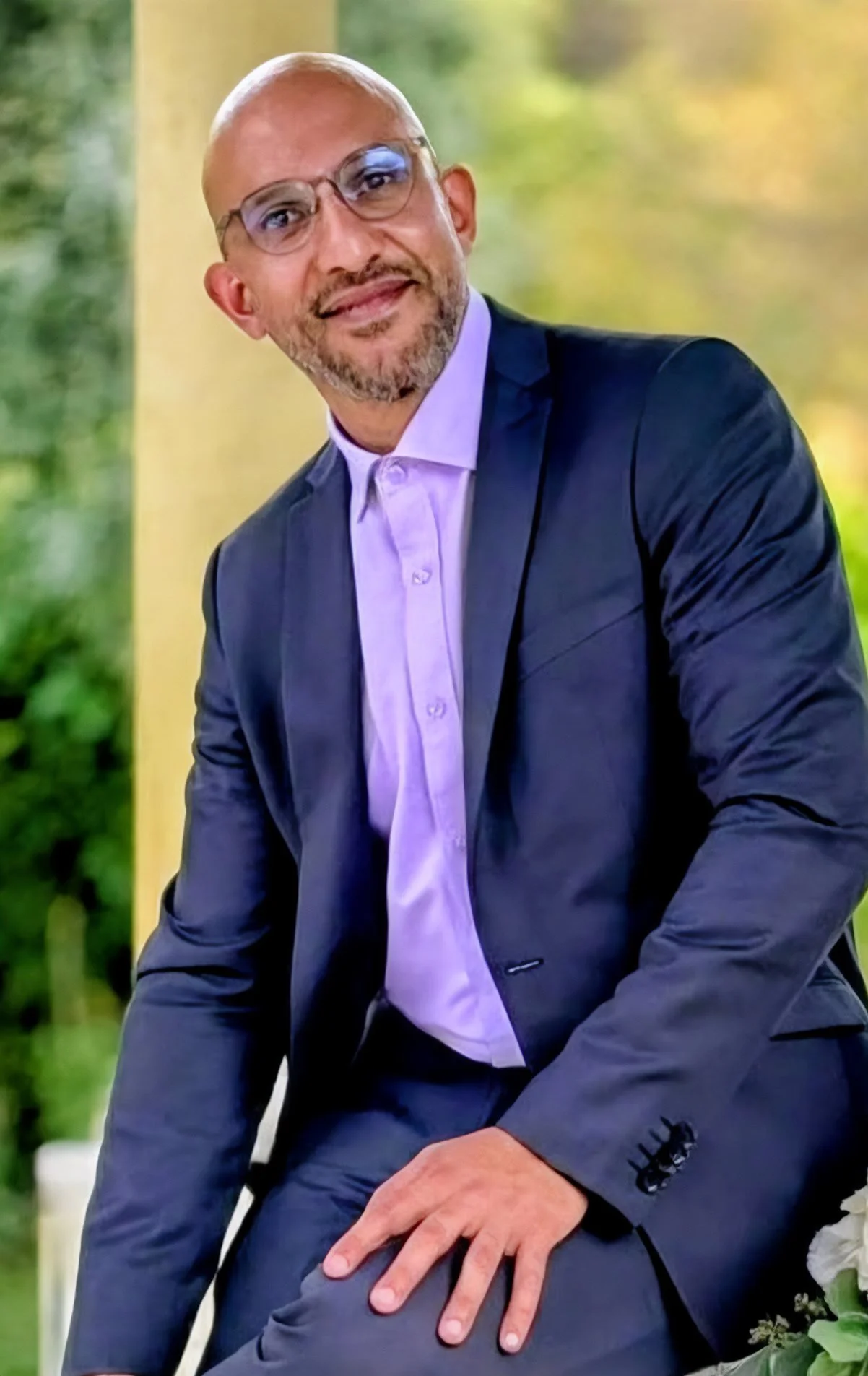
Ramy Raoof
Technologist, Digital Security Advisor, EG/DE
Ramy Raoof is an internationally recognised technologist and security advisor working at the intersection of technology and human rights. Over 15 years, he has built operational resilience, threat intelligence, and digital safety for journalists, activists, and civil society operating in high-risk environments globally. Ramy has advised European Union on integrated security, serves as a Non-resident Fellow at TIMEP, and sat on The Tor Project’s Board of Directors (2017–2021). Having led security and tech initiatives for Amnesty International, Citizen Lab, Egyptian Initiative for Personal Rights, and Red Cross, his work supports human rights investigation and protection of at-risk communities. Honors include the 2023 Burke Award, Access Now's Heroes of Human Rights 2017, Deutsche Welle 2016.
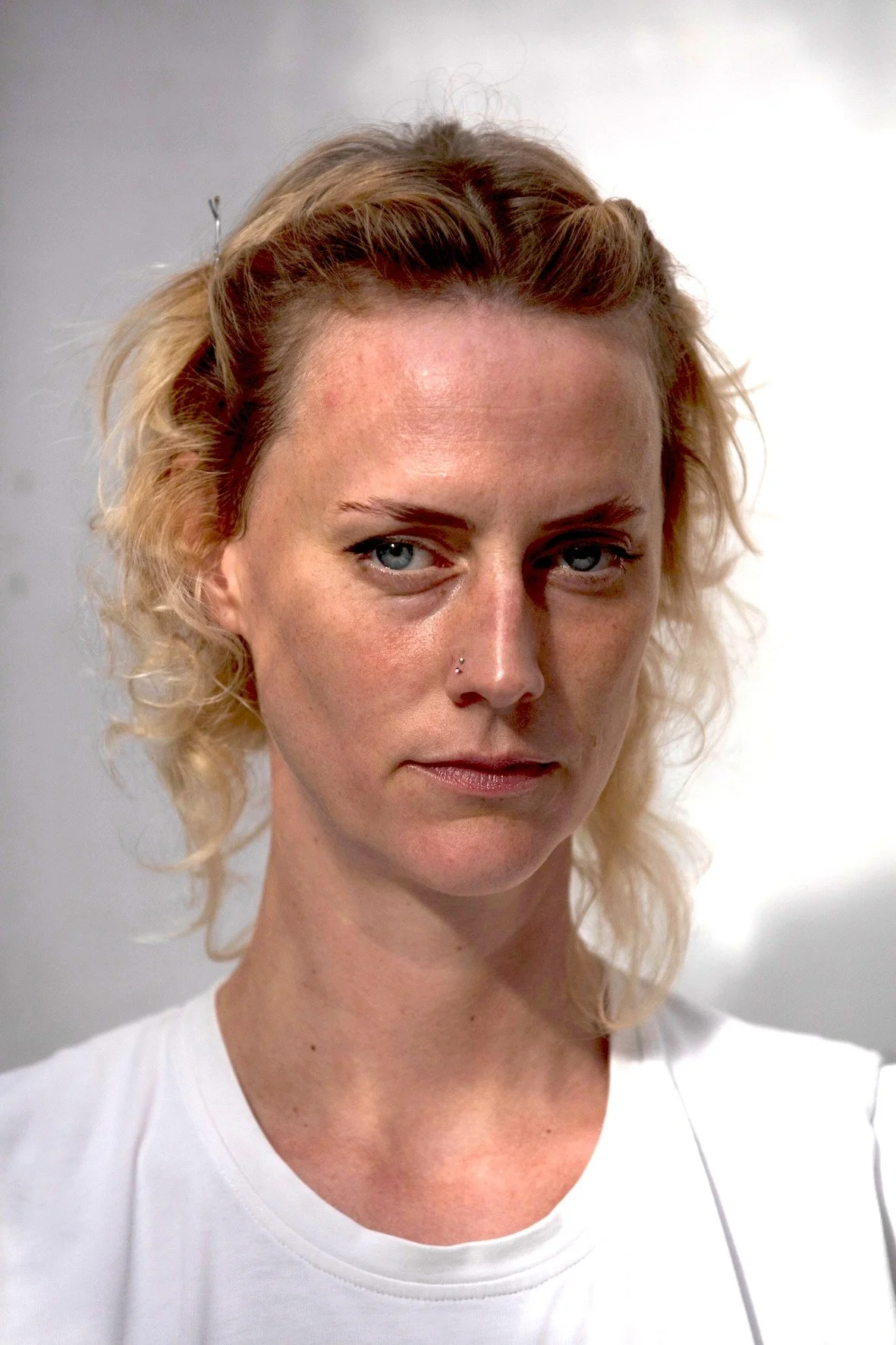
Jaya Klara Brekke
Writer and Technologist, Chief Strategy Officer, Nym, SE/UK
Jaya leads the development of the Nym ecosystem of operators, community, business development, and comms. She is an advocate for privacy as the foundation for human rights and has spoken about and written numerous papers on decentralised technologies. She holds a PhD from Durham University Geography department and is an expert advisor to the European Commission. Her research contributes to public, industry and policy debates about emerging data economies, decentralised data infrastructures and blockchain technology. Her work focuses on the impact of technological systems on humans, their relation with the world and sense of self.

Néstor Espinosa Robledo
Investigative Journalist & Historian, CO
Néstor Espinosa Robledo is a Colombian investigative journalist and historian specialising in open-source intelligence (OSINT), digital surveillance analysis, and civil liberties in Latin America. Founder and lead investigator of Periodismosint, an open-access data journalism laboratory, he has also worked with Cuestión Pública, TvCucuta, Karisma Foundation, El Colombiano's newspaper investigative unit. His work traces digital violence against journalists, land dispossession, illegal mining, migrants, and transnational financial networks. He is a winner of the Data Sigma Award (2023) and the WAN-IFRA Latam Prize (2022), and a finalist for the Circulo de Periodistas de Bogotá (2024).
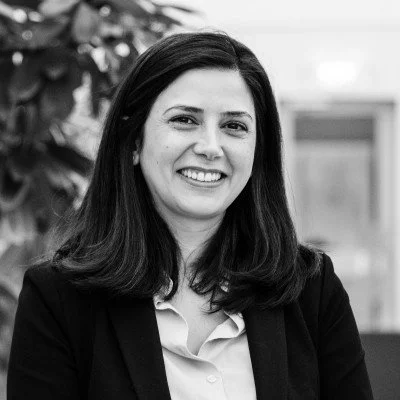
Mais A.M. Qandeel
Associate Professor in Law and Technologies/International Law. University of Galway and Örebro University, SE
Mais Qandeel is an Associate Professor and a licensed lawyer with 20 years of experience at national and international organisations/institutions around the world. She has extensive experience in international humanitarian law and holds a Ph.D. from the University of Fribourg, Switzerland. Her research covers a range of topics, including AI at war, digital discrimination, the rule of law, data protection and privacy, international cyber norms and legal aspects of cybersecurity as well as international human rights law and international humanitarian law.
Dominik Winkler
Political Geographer and Communication Scholar, DE
Dominik Winkler is a political geographer and communication scholar focusing on social struggles for freedom of movement. His work examines how conflicts over borders and mobility are mediated, and how struggles against borders can be connected to broader struggles against militarisation and fascism, as well as for social justice. He has been involved in various groups within the broader migrant solidarity and anti-racist movements. In this context, he is particularly interested in how digital border infrastructures shape possibilities for surveillance and control, as well as strategies of resistance.
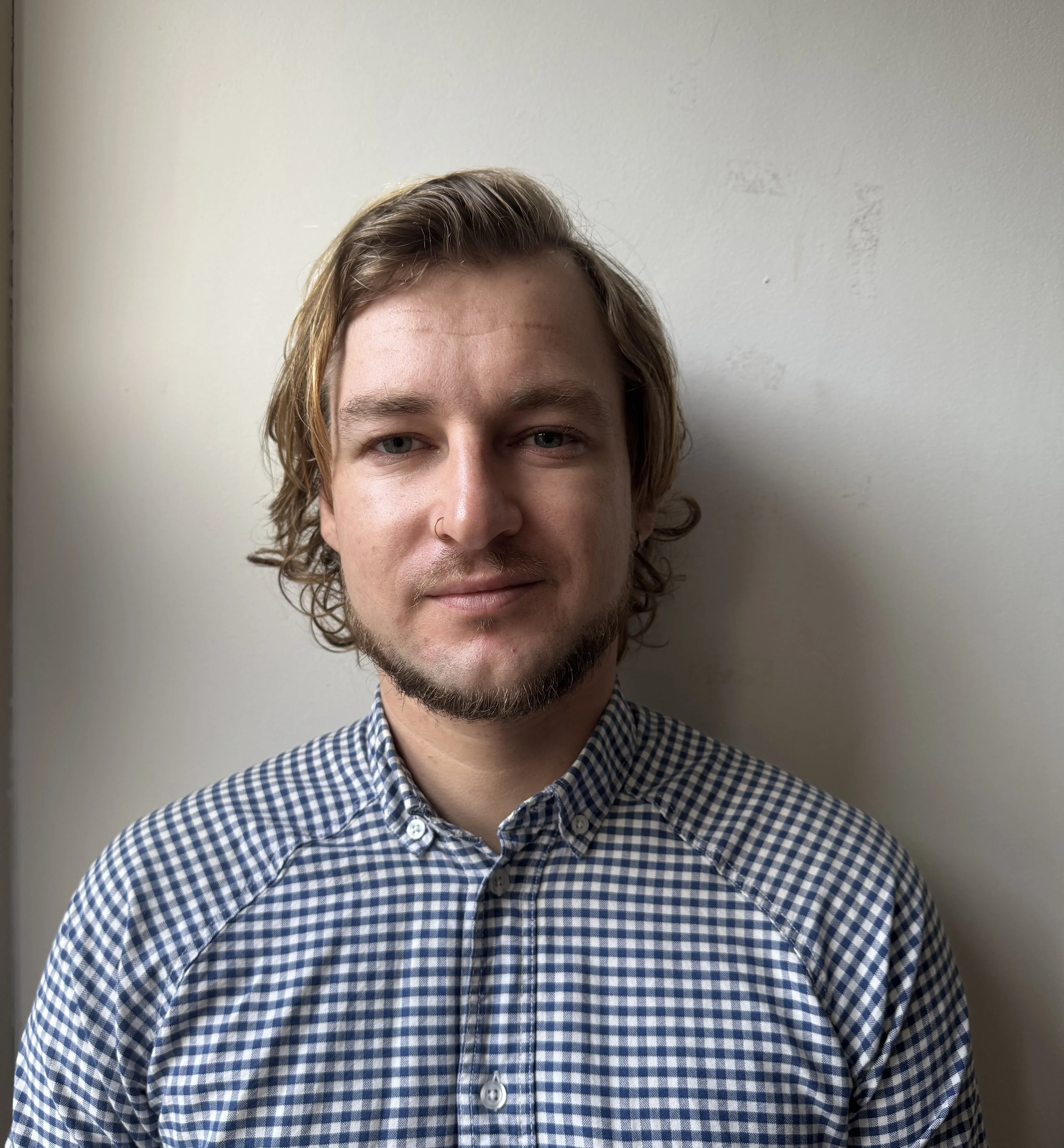
Romain Lanneau
Researcher, Statewatch, Legal Advisor, Front-LEX, UK/NL
Romain Lanneau is a legal researcher specialising in the digitalisation of migration and asylum governance. At Statewatch, he researches policing, surveillance, data protection, and the use of technology in European migration policies. He is the author of several reports, including the “Data Protection Handbook on Asylum and Migration in Europe”, and has trained more than 300 practitioners and advocates across Europe. Romain is also a legal advisor at Front-LEX, where he works on strategic litigation to defend human rights at Europe’s borders. He has advised organisations including the European Network Against Racism, Fair Trials International, and Data Rights.
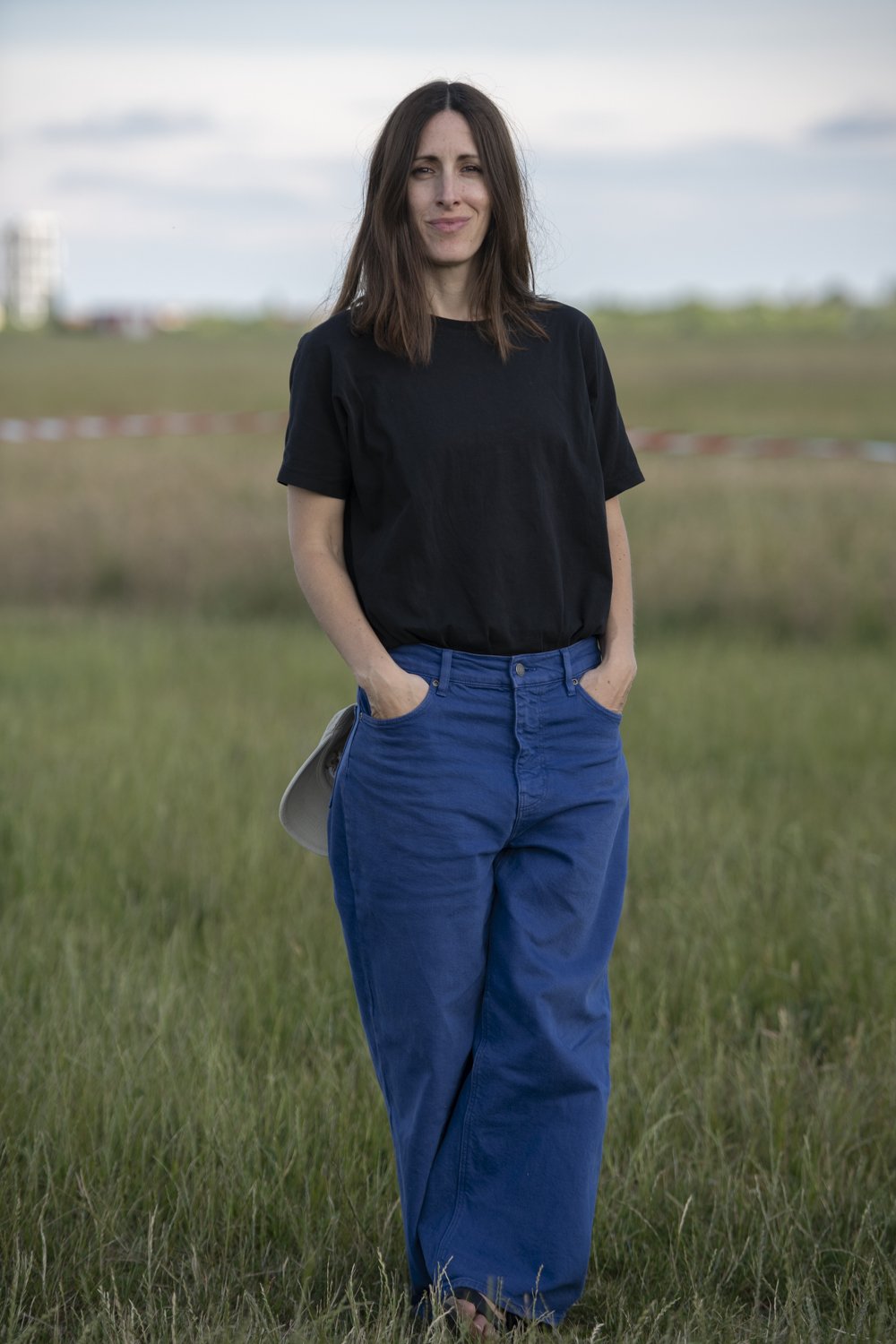
Joana Moll
Artist and Researcher, Professor of Networks, Academy of Media Arts Cologne, ES/DE
Joana Moll is an artist and researcher from Barcelona. Her main research topics include Internet materiality, surveillance, social profiling and interfaces. She has lectured, performed and exhibited her work in different museums, art centers, universities, festivals and publications around the world. Furthermore she is the co-founder of the Critical Interface Politics Research Group at HANGAR [Barcelona] and co-founder of The Institute for the Advancement of Popular Automatisms. She is currently a visiting lecturer at Universität Potsdam (DE), Escola Elisava (ES) and Escola Superior d’Art de Vic (ES).
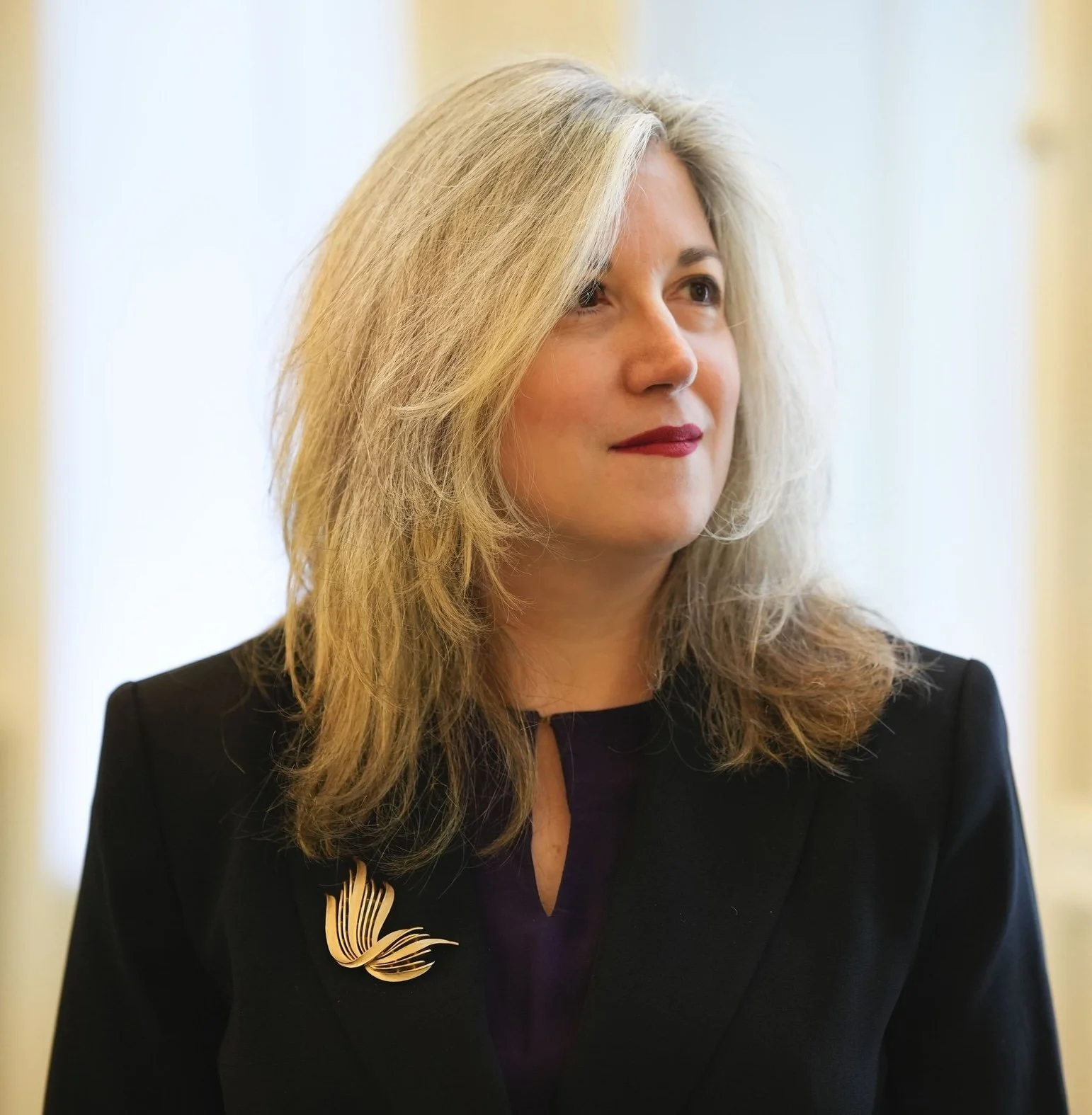
Tatiana Bazzichelli
Artistic Director, Disruption Network Lab, Director, Disruption Network Institute, IT/DE
Tatiana Bazzichelli is the founder and director of the Disruption Network Lab. Her work focuses on whistleblowing, network culture, art and activism. Since September 2023, she is also the director of the Disruption Network Institute, a centre for investigation and empirical research into the impact of artificial intelligence on new technologies of war, automated weapons and networked warfare. She received a Ph.D. in Information and Media Studies from the Faculty of Arts, Aarhus University, in 2011 and is the author of Whistleblowing for Change (2021), Networked Disruption (2013), Disrupting Business (2013) and Networking (2006). For three years until 2014, she was a curator at the transmediale art & digital culture festival in Berlin.